Skip to content

Topic

Physical Therapy & Motor Skills

Gross motor development, posture, scoliosis, feet and gait, sports and the other things our pediatric physical therapists get asked about.

· Potty Training & Pelvic Floor, Physical Therapy & Motor Skills

Constipation and Bedwetting: How Physical Therapy Can Help

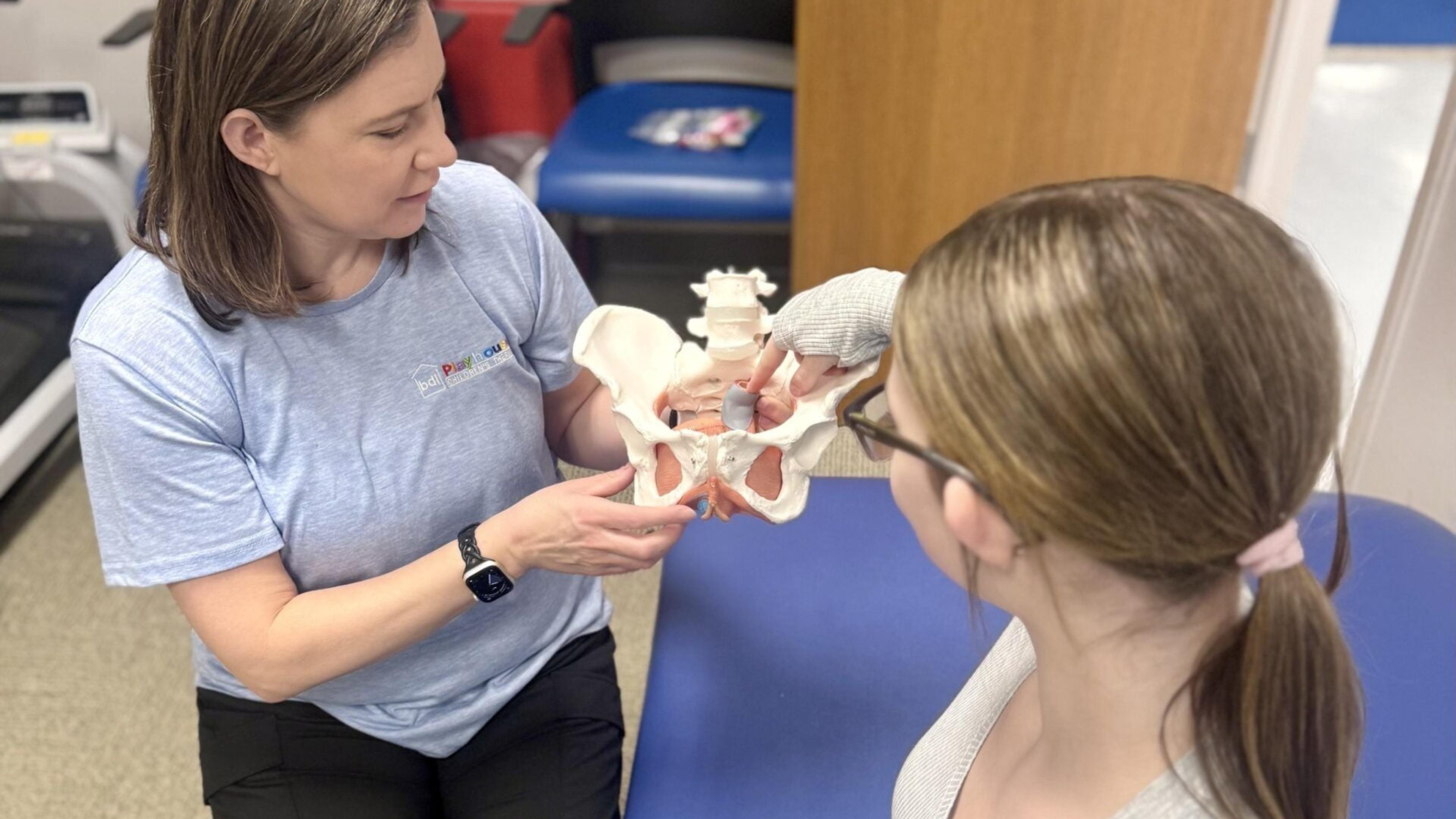
Bedwetting is stressful for kids and parents alike, and it often feels like you’ve tried everything—limiting fluids, nighttime reminders, or alarms—with limited results. You may have even heard that they will outgrow it. One of the most overlooked contributors is constipation, and one of the most effective ways to address it is through pediatric pelvic
· Physical Therapy & Motor Skills, Activities & Play Ideas

Spotlight on Sports- Why Should Your Child Participate?

Are you wondering if a sport is a good fit for your child? Do you have an already busy family schedule and are wondering if it is worth it to add another activity to your routine? Sports and adaptive sports have a variety of benefits for your child and your family. Whether it be an

· Physical Therapy & Motor Skills

Craniosacral Therapy: Does Dura Mater?

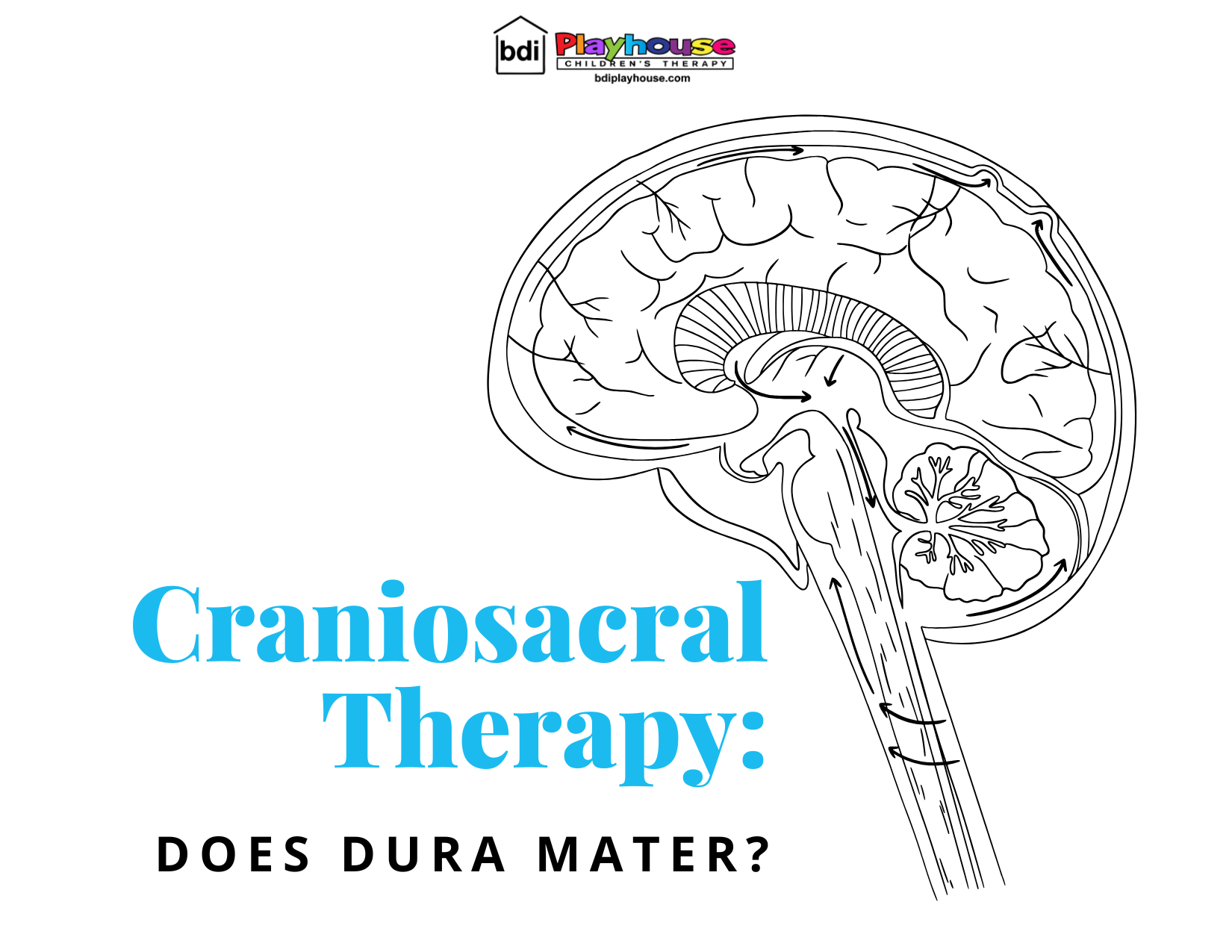
Craniosacral therapy (CST) is a gentle hands-on approach that may be helpful for children with certain issues, even if traditional treatments haven’t fully worked. So how does craniosacral therapy work? Here’s a simple way to understand it: Dura mater consists of 3 layers of tissue that surround the brain, spinal cord, and nerve roots as

· Occupational Therapy, Physical Therapy & Motor Skills

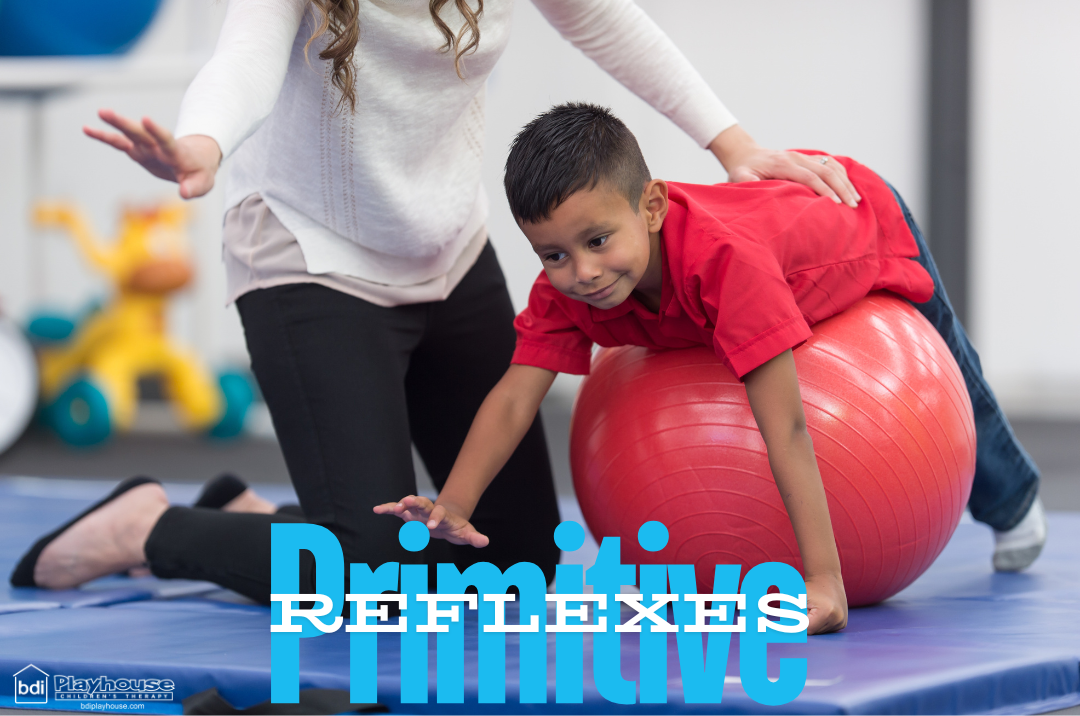
What are Primitive Reflexes?

What are Primitive Reflexes? How can they affect my child? Each child is born with a set of critical reflexes that are integral to survival. A primitive reflex is an action that is performed as a response to a stimulus without conscious thought. For example: when you brush the side of your newborn’s cheek the

· Infants, Physical Therapy & Motor Skills

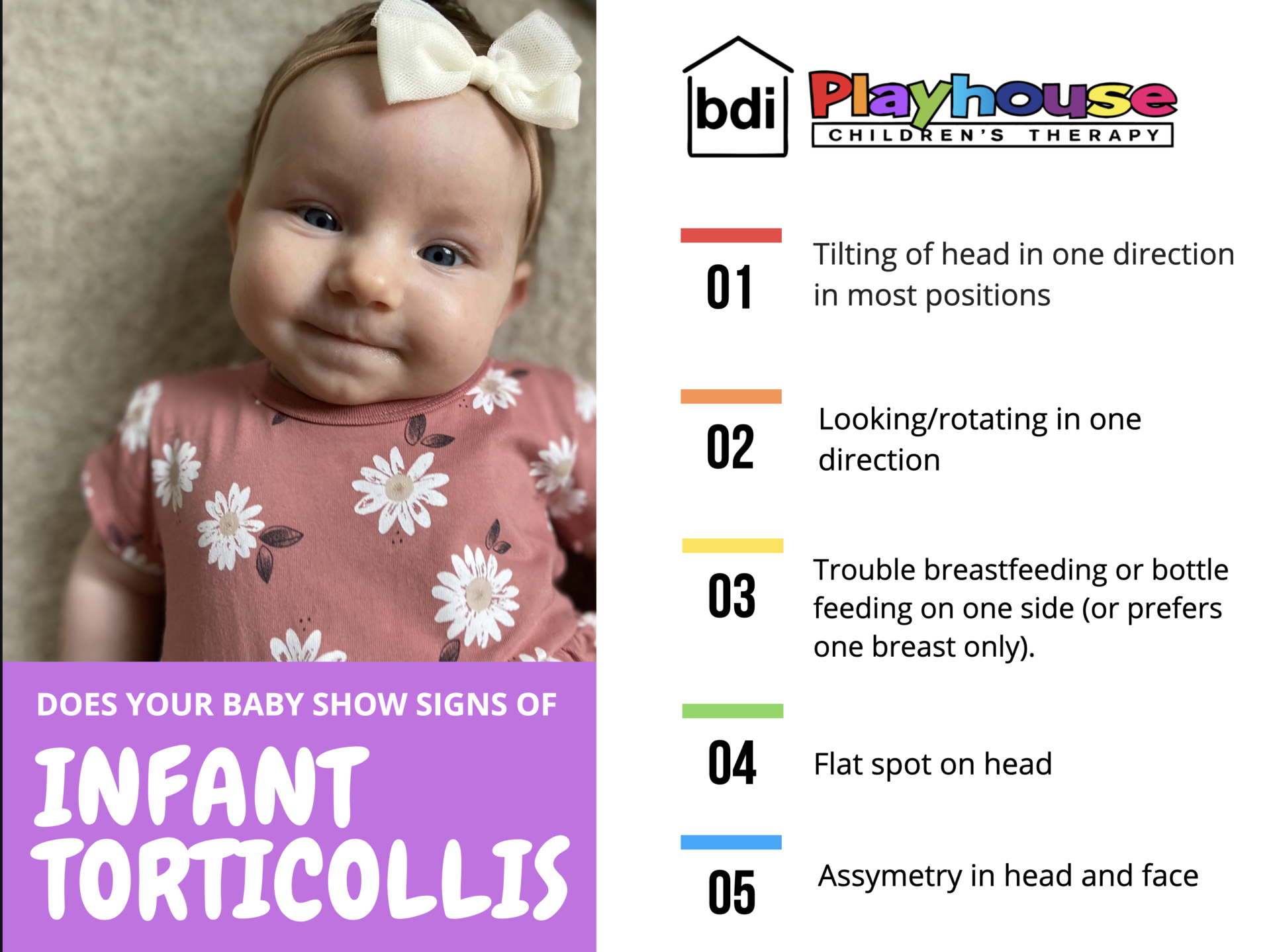
Torticollis

Torticollis is a condition most commonly diagnosed in infancy in which the baby’s head is consistently tilted or turned to one direction. It is often present beginning at birth, but is typically noticed at 1-2 months of age as the baby’s head control improves. The most common cause is tightness in the neck muscles due

· Clinic News & Events, Physical Therapy & Motor Skills

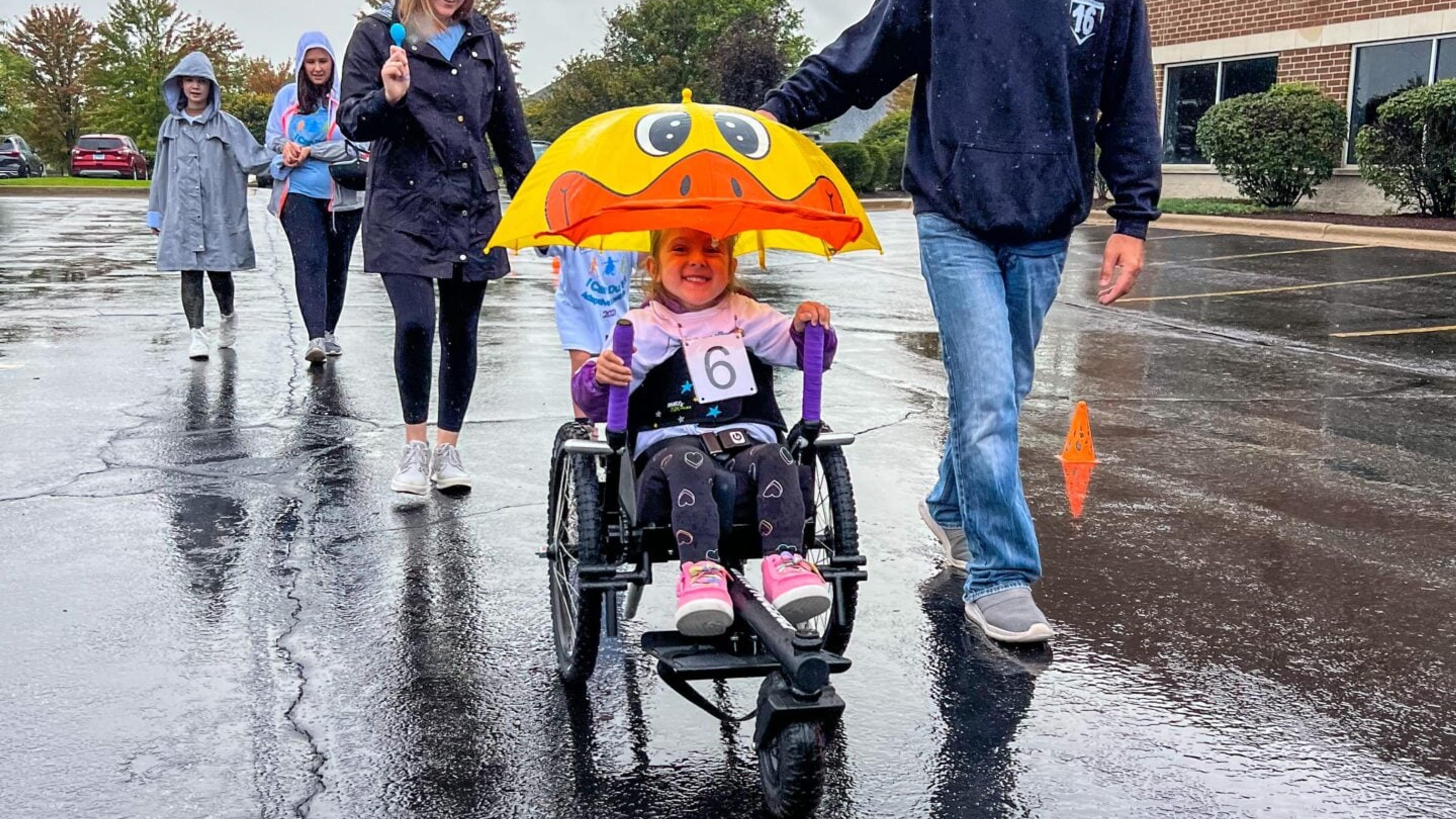
BDI’s Inaugural I Can Du It! Adaptive Duathlon

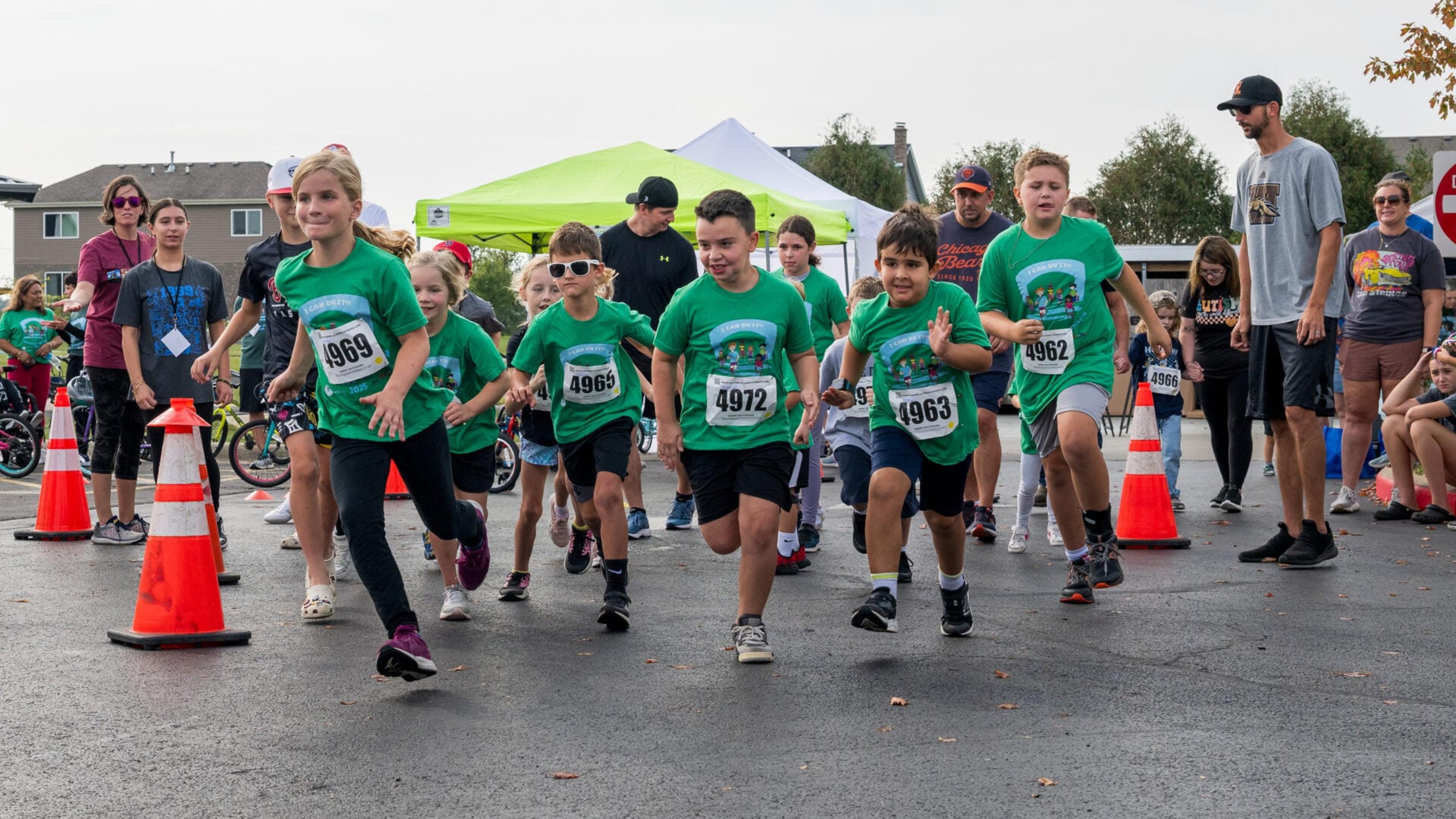
Visit our 2024 Event Page to Sign Up for This Year’s Race! Sunday, September 17th was a big day for BDI Playhouse, who hosted their inaugural I Can Du It! Adaptive Duathlon. This race was the first ever adaptive sporting event hosted by BDI Playhouse and one of the only of its kind in the

· Physical Therapy & Motor Skills

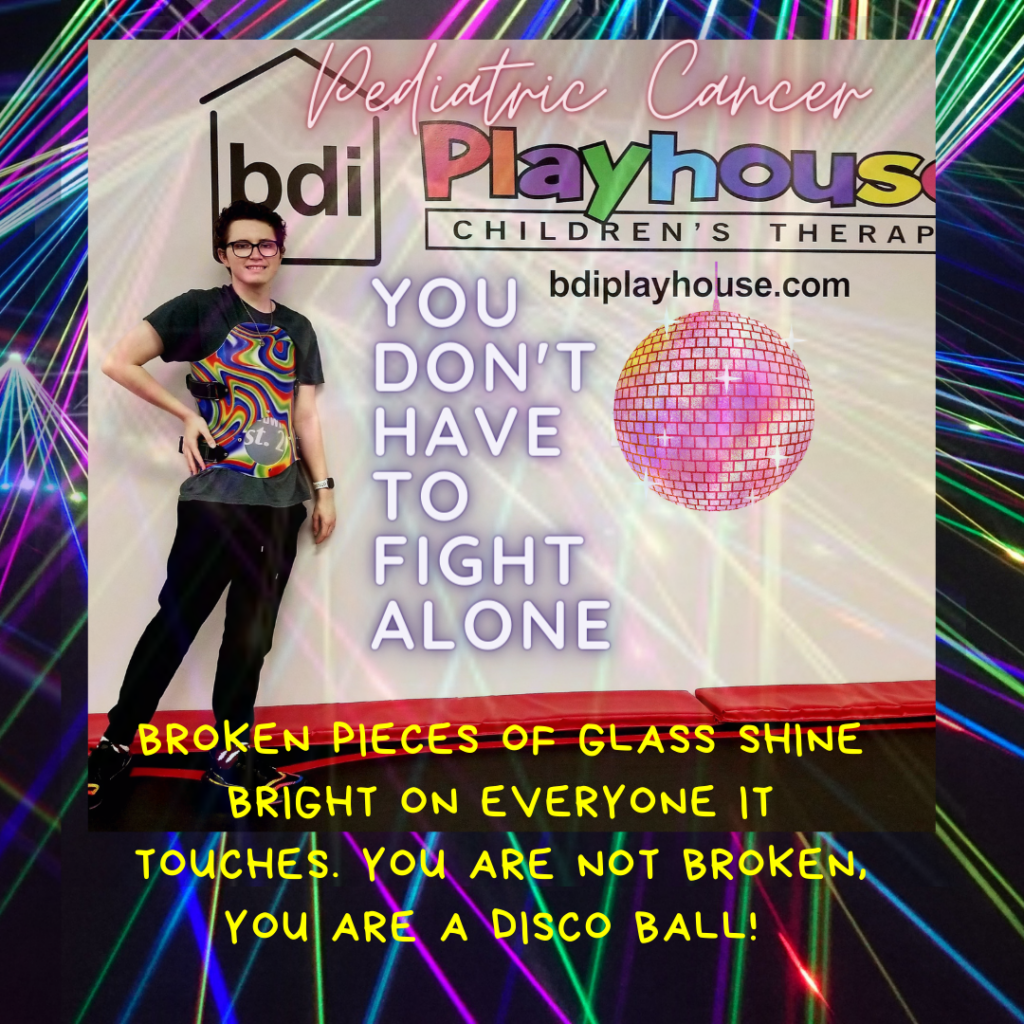
6 Benefits of Physical Therapy for Pediatric Cancer

Physical therapy has been shown to improve strength, range of motion, sleep, energy, and mood while reducing pain, anxiety, and symptoms of treatment-related side effects, such as neuropathy in children with pediatric cancer. Occupational and speech therapy can also be extremely beneficial for cancer rehabilitation depending on the diagnosis and side effects. Physical therapists are in your corner to

· Infants, Physical Therapy & Motor Skills

Helmet Heads!

Helmet Heads! Shaping Baby Inside and Out Putting your baby in a helmet is a difficult decision for parents to make, but more often parents are choosing to put one on their baby. Are helmets necessary and why are so many babies wearing them? An explanation of why, when and how little melons are getting

· Physical Therapy & Motor Skills

Serial Casting- Casting That’s Not for Broken Bones

Dynamic serial casting is a conservative treatment method in which skilled physical therapists apply and remove a series of lightweight casts to a patient’s leg(s) in order to improve foot alignment and increase range of motion. The goal of serial casting is to improve range of motion in order to prevent chronic skeletal issues, reduce

· Physical Therapy & Motor Skills

Put Your Best Foot Forward!

When to see a pediatric physical therapist for your child’s feet? How do you know if your child’s little feet are functioning at their very best? Here are 10 clear signs that you should have a pediatric physical therapist screen your child’s feet so they can put their best foot forward! Pain If walking causes

· Activities & Play Ideas, Physical Therapy & Motor Skills

Winter Swimming

Shake Off Winter Blues in the Pool! Consider your local pool or aquatic park this winter for all it’s amazing benefits! Welcome winter and all it’s fun activities like ice skating, sledding and SWIMMING! The joy of swimming doesn’t have to end when winter begins. Indoor pools are the ultimate good mood booster along with

· Occupational Therapy, Physical Therapy & Motor Skills

Primitive Reflexes

Primative Reflexes- The Good, The Bad, The Better! Have you ever tripped and simultaneously reached out your hands to stop the fall? That is your primitive reflexes at work! They are essential as the first line of defense to protect ourselves but they can also be detrimental to our development. What are primitive reflexes? Primitive reflexes

· Physical Therapy & Motor Skills

Hypermobility in Children

What is Hypermobility? Hypermobility is a term used to describe joints that move more than normal and can place the joints in increased stress. How can Hypermobility affect my child? Risk of Injury Increased joint movement can cause joints, ligaments, and tendons to be at higher risk of injury. Joints are less stable and can

· Potty Training & Pelvic Floor, Physical Therapy & Motor Skills

Potty Accidents

Why is my child having potty accidents? Potty accidents aren’t fun for anyone. It can impact a child’s relationships with their family and friends. Here are 5 common reasons children have accidents Constipation Chronic constipation is the main cause of pee and poop accidents in children that have been potty trained. This is a great

· Physical Therapy & Motor Skills

W Sitting Alternatives

W Sitting. Why do children W sit? Simply, because it’s easy! Kids like W sitting because it creates a large base of support like a pyramid. Why do we want to correct the W sitting? W sitting allows kids to sit and play by using very little core muscles. It prevents trunk rotation. Trunk rotation

· Physical Therapy & Motor Skills

How does Posture Impact Scoliosis?

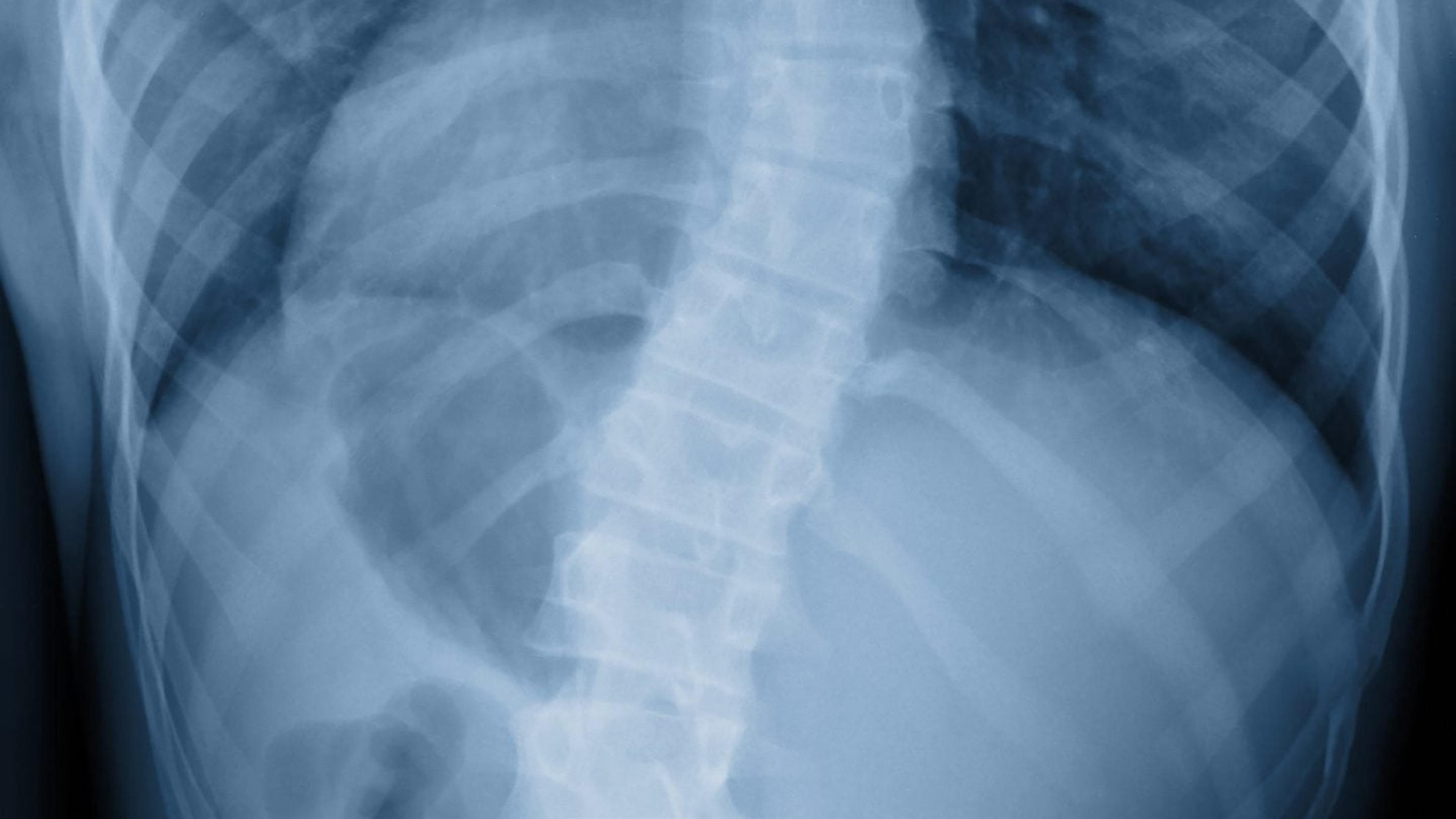
Scoliosis Scoliosis is a curve in your spine that visually appears to move from side to side. A common misconception is that a scoliosis curve is 1 or 2-dimensional. It actually occurs through a 3-dimensional curve with changes in the bones at the apex of the curve. This 3-dimensional shape is seen all throughout the

· Physical Therapy & Motor Skills

Movements to avoid: Modified exercises for Scoliosis

Children and teenagers with scoliosis have changes in the alignment of the curve of their spines. Changes in the spine impact how the bones slide over each other when moving during day to day activities. In addition, changes in the ligaments and muscle length result in the spine moving further into the Scoliotic posture when

· Physical Therapy & Motor Skills

Improve Children’s Posture – 5 Easy Exercises

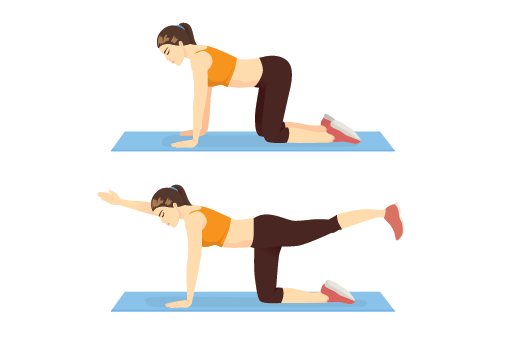
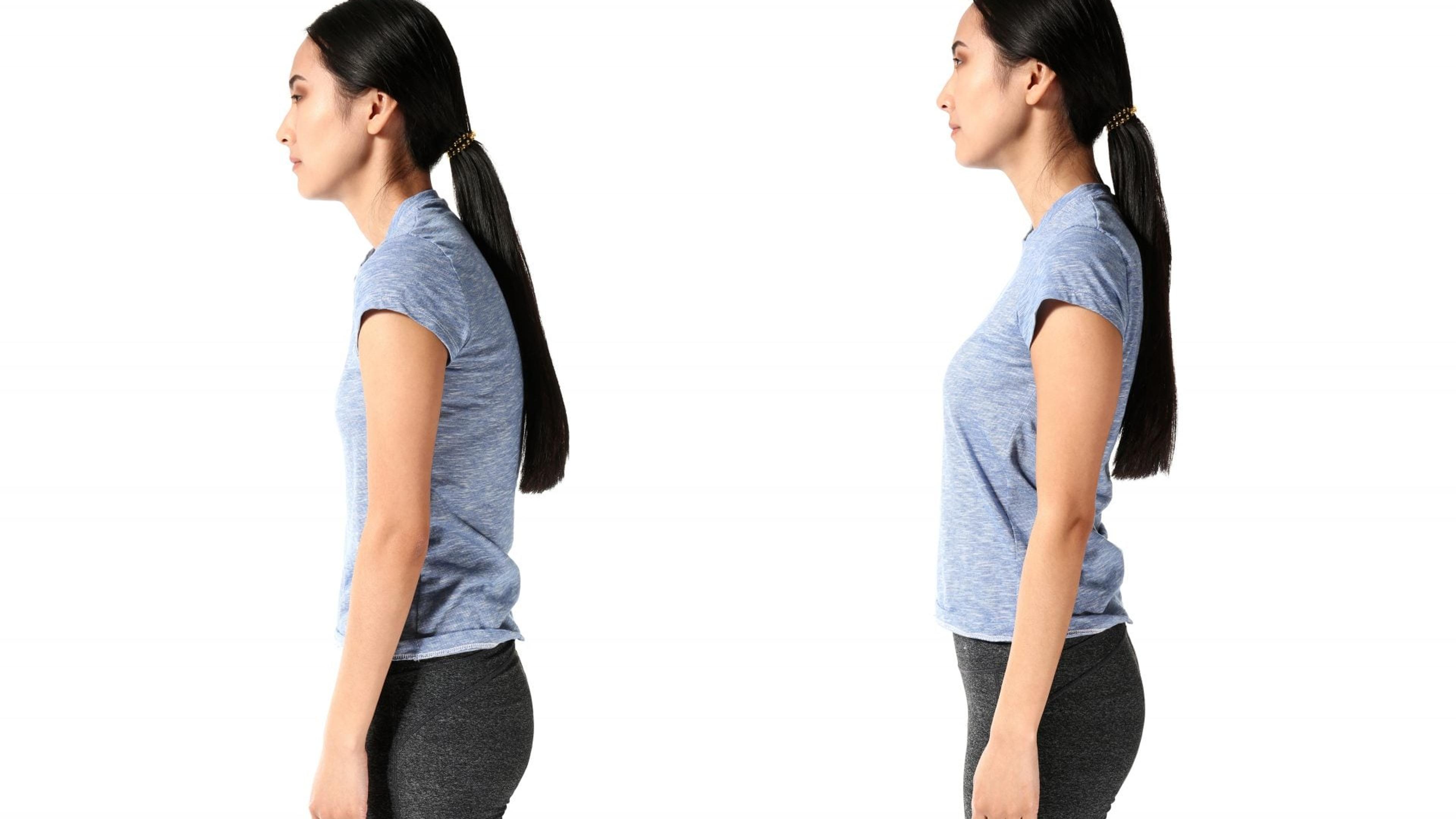
Caregivers can help improve children’s posture by encouraging exercise! Children’s posture is influenced by injury, weakness, genetics, and daily habits. Slouching on a couch playing video games, carrying a heavy backpack, a sports injury, or bones misalignment can all impact proper posture. It is important to promote a good posture at a young age in

· Infants, Physical Therapy & Motor Skills

Why Tummy Time is Important

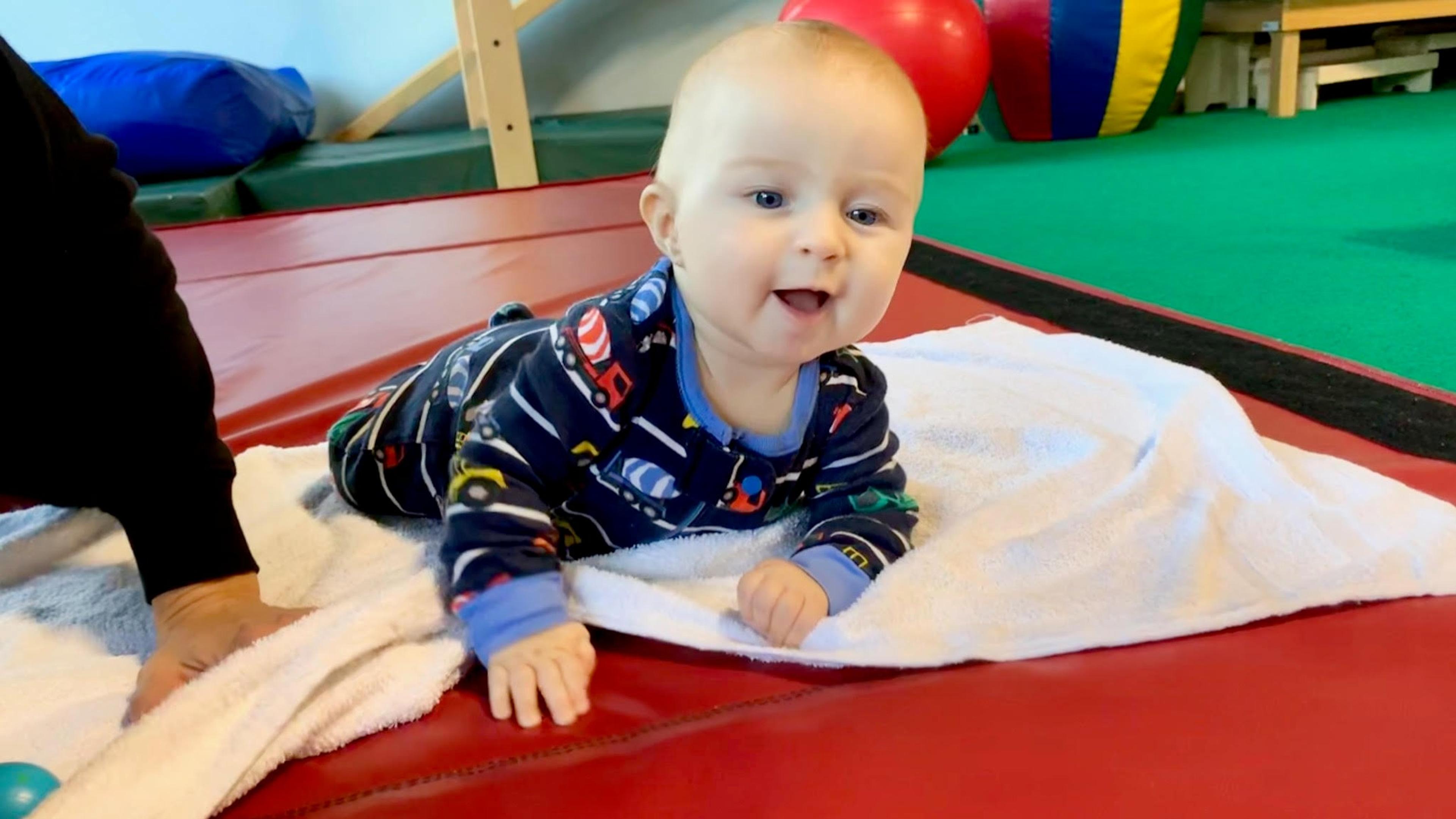
Why Tummy Time is Important Tummy time is important for your baby’s development. Here are the top 7 reasons why you should be incorporating tummy time into your baby’s routine. 1. Strength Spending time on her belly is important because it strengthens the neck, back, shoulders, hips, arms, and hands. It will help to increase the

· Physical Therapy & Motor Skills, Activities & Play Ideas

Is Your Child Ready to Ride? The Do’s and Don’ts of Teaching Bike Riding

Is Your Child Ready for Bike Riding? There are few things in life that beat the rush of the wind through your hair as you pedal down the street on your bike. Bike riding is a pleasure, a privilege, and a confidence builder for our kids! For some, learning to ride a bike can be

· Potty Training & Pelvic Floor, Physical Therapy & Motor Skills

Potty Training Problems? 5 Strategies to Help your Child Avoid Bladder or Bowel “Accidents”

Is your child still having potty training problems? Bowel and bladder accidents that persist after training or make potty training difficult, could have an underlying cause. Researchers have found that 40-60% of children complete toilet training by the age of 3 and 25% of 5 year old children experience day or night accidents. Experiencing “accidents”

· Activities & Play Ideas, Physical Therapy & Motor Skills

Winter Blues? GET UP AND MOVE!

Do your kids have the Winter Blues? Once the cold weather hits, it’s easy to make excuses for missing opportunities to get out and play outdoors. But, soon we notice our kiddos in a rut: feeling moodier, not sleeping well, disengaging, increased screen time, etc. However, research shows that physical activity can actually turn these

· Infants, Physical Therapy & Motor Skills

Fixing a Flat (baby head): What is Plagiocephaly and what can I do to correct it?

What is Plagiocephaly (pronounced play-jee-oh-sef-uh-lee)? Sometimes infants are born with or develop plagiocephaly or brachycephaly, a flat spot on the back or backside of their heads that is noticeable and may raise questions or be a cause of concern. Understandably, you may ask: Will my baby’s head shape stay like this? Is there anything I

· Infants, Physical Therapy & Motor Skills

Do Babies Really Need to Crawl?

That glorious moment when your baby is mobile, crawling around your house at hyper-speed is both joyous and terrifying. Time to baby-proof your house! Do babies really need to crawl? Crawling is essential for your baby’s development. The coordination and strength that are attained while your baby is exploring the world through crawling is irreplaceable,