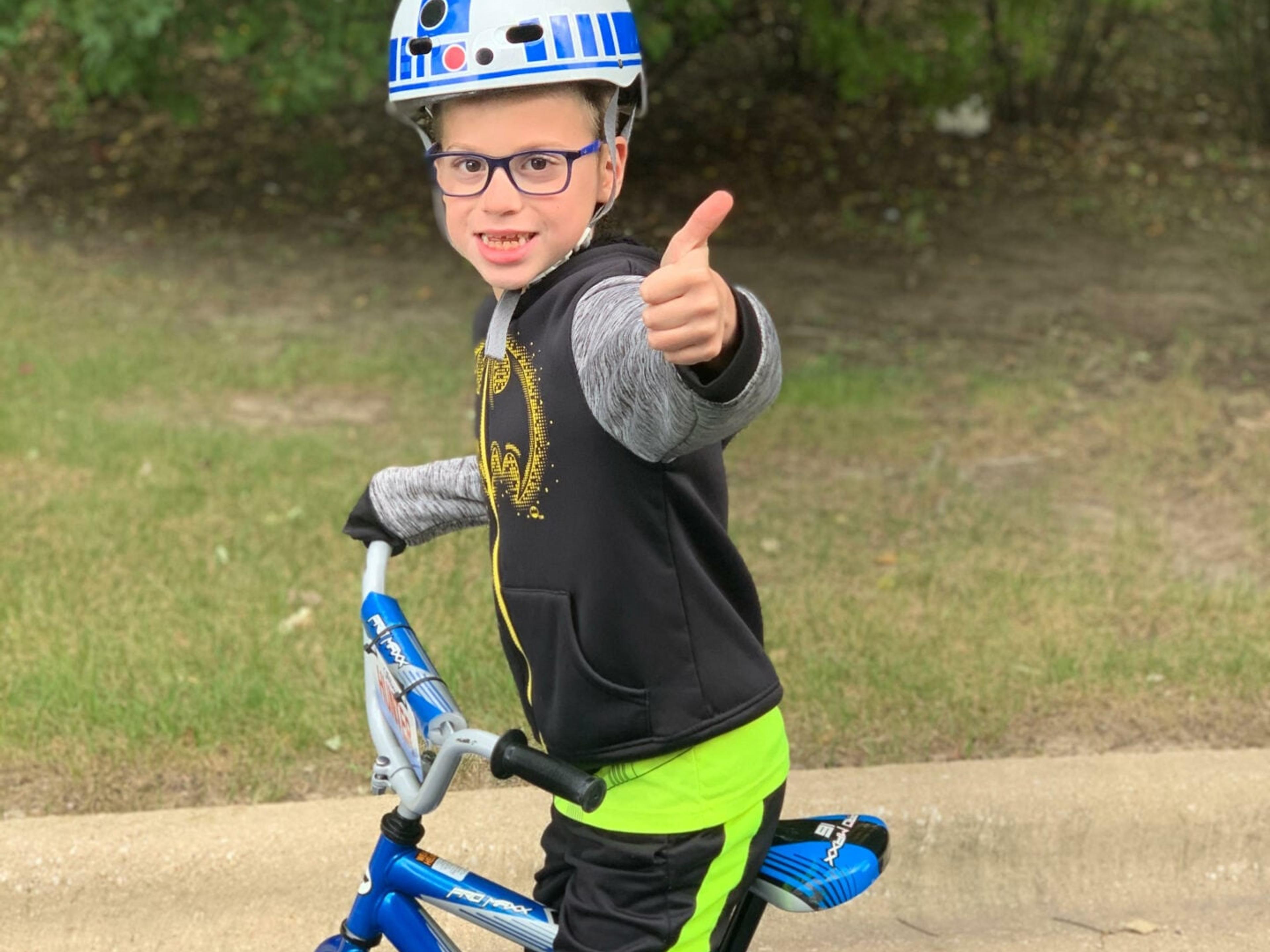
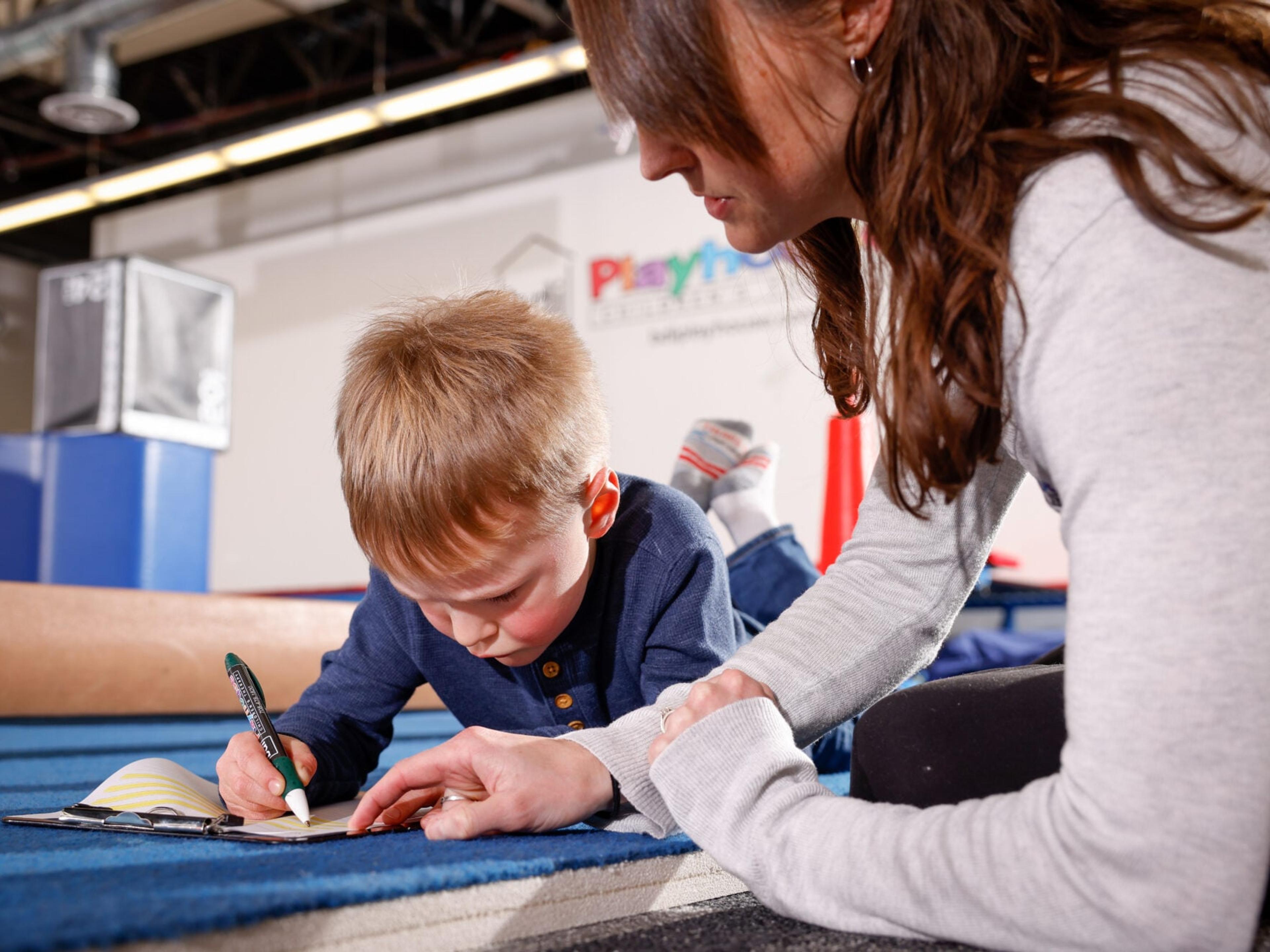
One-on-one, 30-minute bike riding sessions with a licensed physical or occupational therapist who finds the missing pieces and coaches your child and family. Many children who already have some pedaling experience ride on their own in just three sessions.
A breathing re-education technique that teaches soft, slow nasal breathing and reduces over-breathing. Sessions are led by our accredited Buteyko Method instructor and may help with asthma, seasonal allergies, snoring and poor sleep.
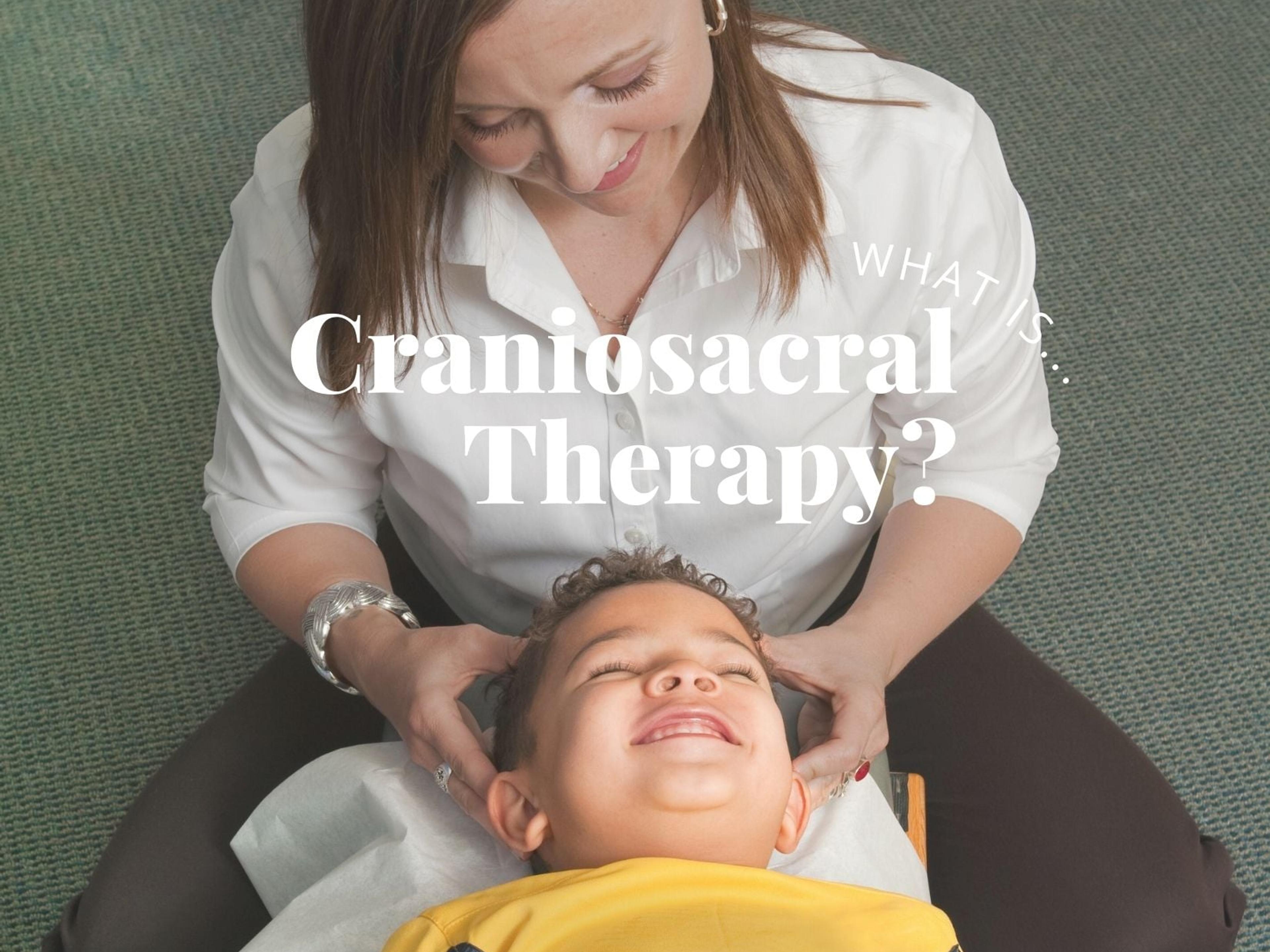
Craniosacral therapy is a gentle, hands-on technique that uses soft touch to release restrictions in the connective tissue from the skull to the tailbone. Our CST-trained therapists blend it into sessions alongside functional skills to improve movement and body awareness.
Guidance for families navigating special education. Our educational consultant and advocate helps you understand services, prepare for IEP and 504 Plan meetings, and make sure your child’s needs are clearly communicated.
A parent’s guide to the differences between food allergies, food sensitivities and food intolerances: what is happening in the body, how quickly symptoms appear and how each one is identified. It is background our feeding therapists use every day.
Pronation is when the middle of the foot collapses inward, often called flat feet or low arches. Our physical therapists can check your child’s alignment and recommend or fit an orthotic during a screening, and refer families to an orthotist for custom bracing.
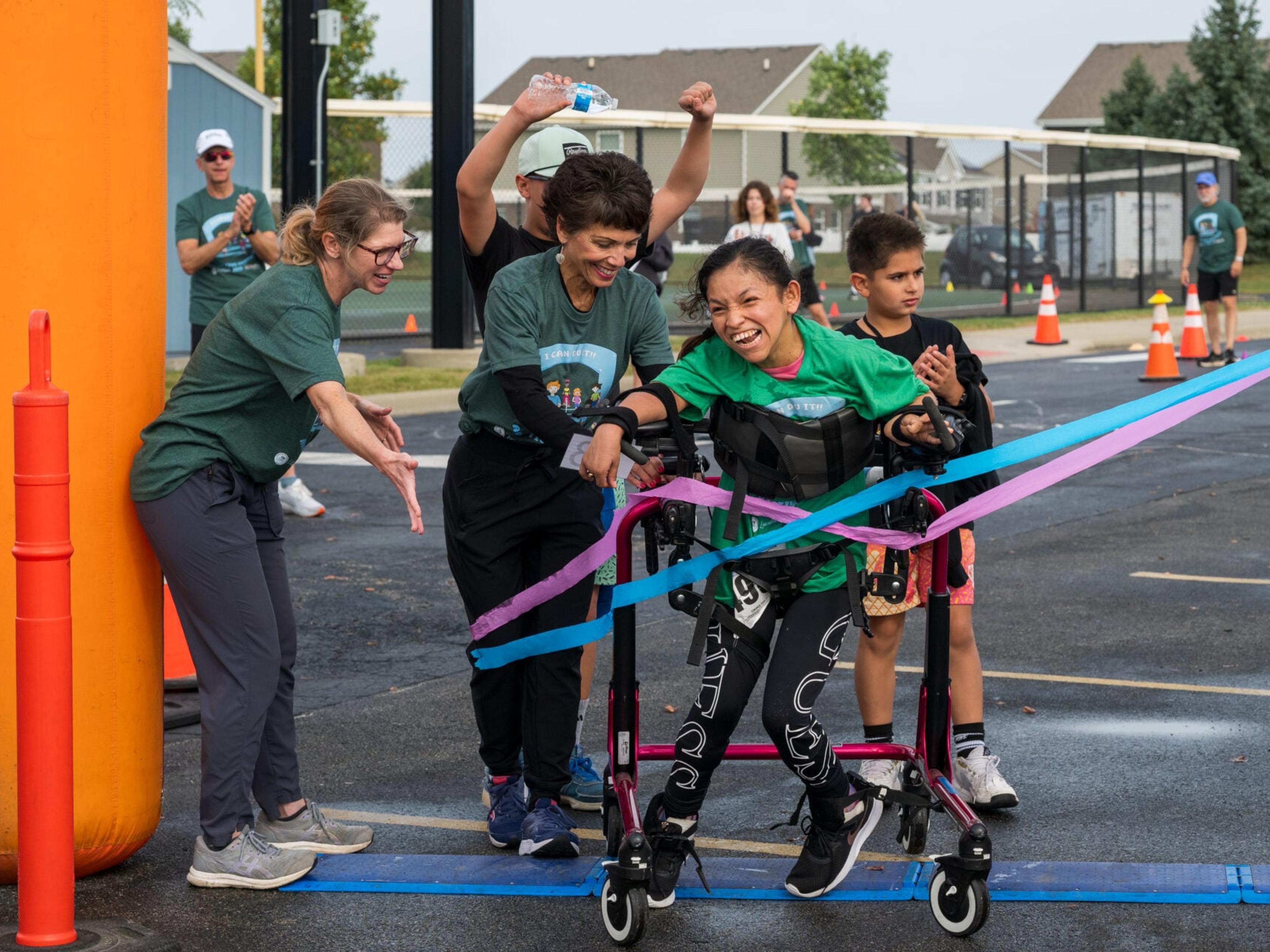
An adaptive run-bike-run race for children and young adults ages 4 to 30 with developmental disabilities and special needs. Athletes of all abilities are welcome, with or without adaptive equipment. Hosted with Lincolnway Special Recreation Association.
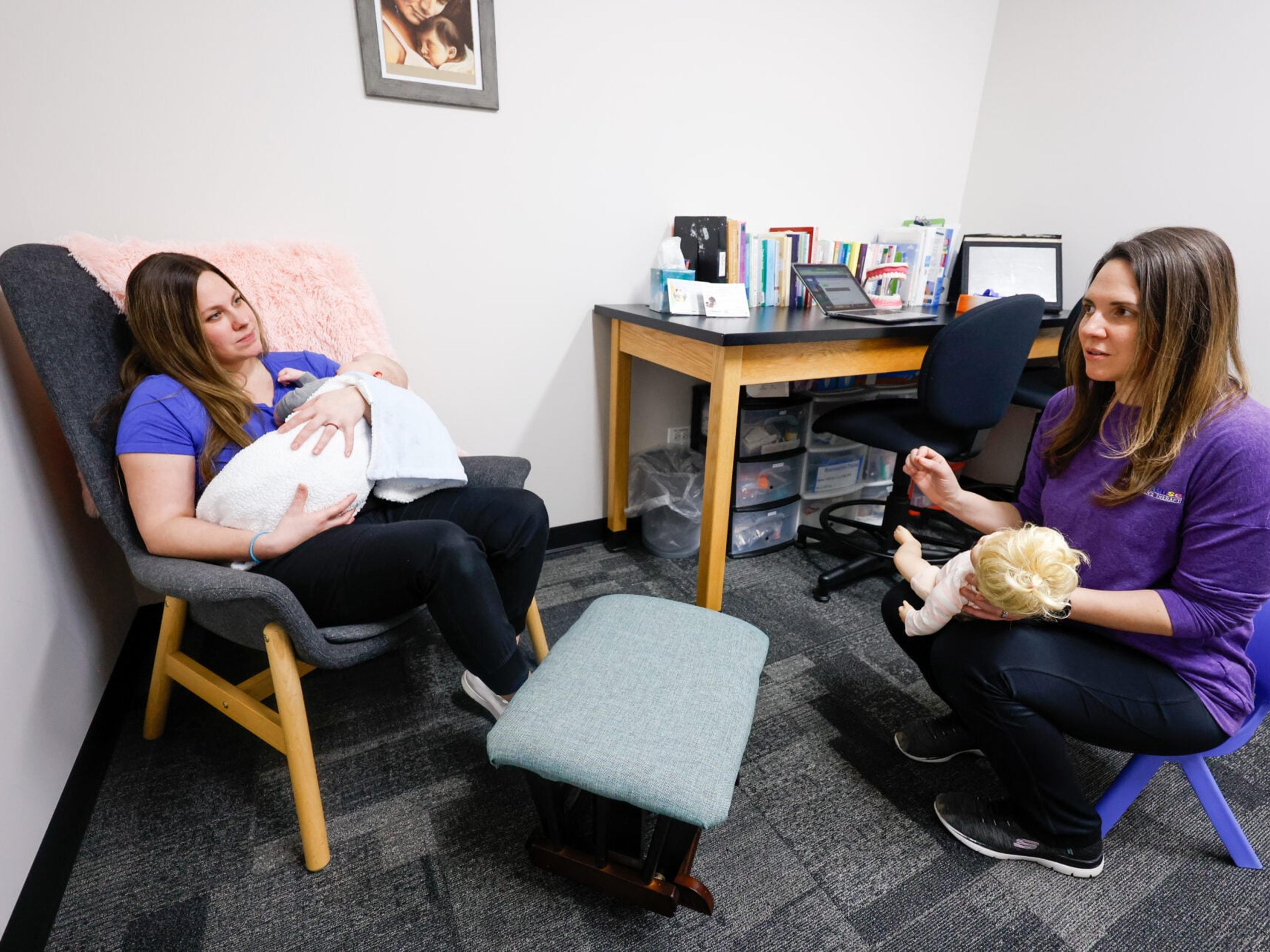
An overview of our infant feeding services: feeding therapy, lactation consultations and lactation education classes. Our team supports breastfeeding, bottle feeding and the early stages of solid foods.
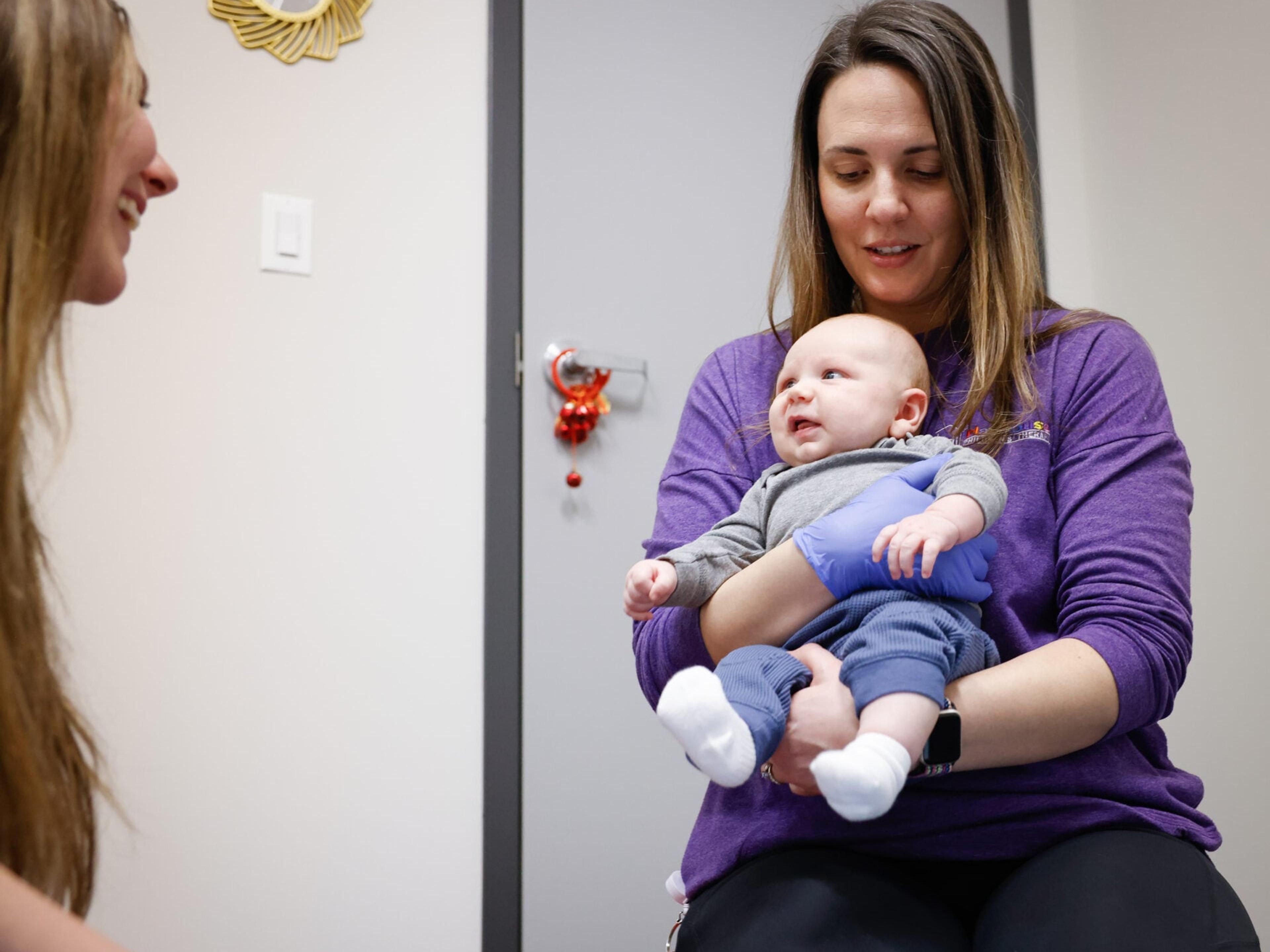
Help for babies who struggle to feed: slow weight gain, refusing to eat or drink, trouble with the latch or bottle, frequent spit-up, or coughing and gagging at meals. Our infant feeding team includes an IBCLC, Certified Breastfeeding Specialists and speech-language pathologists.
A free, 30-minute check-in with a pediatric physical therapist to see how your baby is moving and meeting milestones such as head control, rolling and crawling. You get answers to your questions and simple tips to use at home.
An online breastfeeding class for expecting moms and their support people. Learn what to expect, how to tell your baby is getting enough to eat, and how the whole family can help breastfeeding get off to a good start.
Breastfeeding support from speech-language pathologists who are also International Board Certified Lactation Consultants. We assess latch, positioning and your baby’s oral motor skills, then provide corrective interventions and counseling for mom and family.
The Myo Munchee is a small, simple oral device your child chews. Used alongside oral motor and orofacial myofunctional therapy, it supports chewing skills and mouth posture and helps with tongue or pacifier sucking, mouth breathing and drooling.
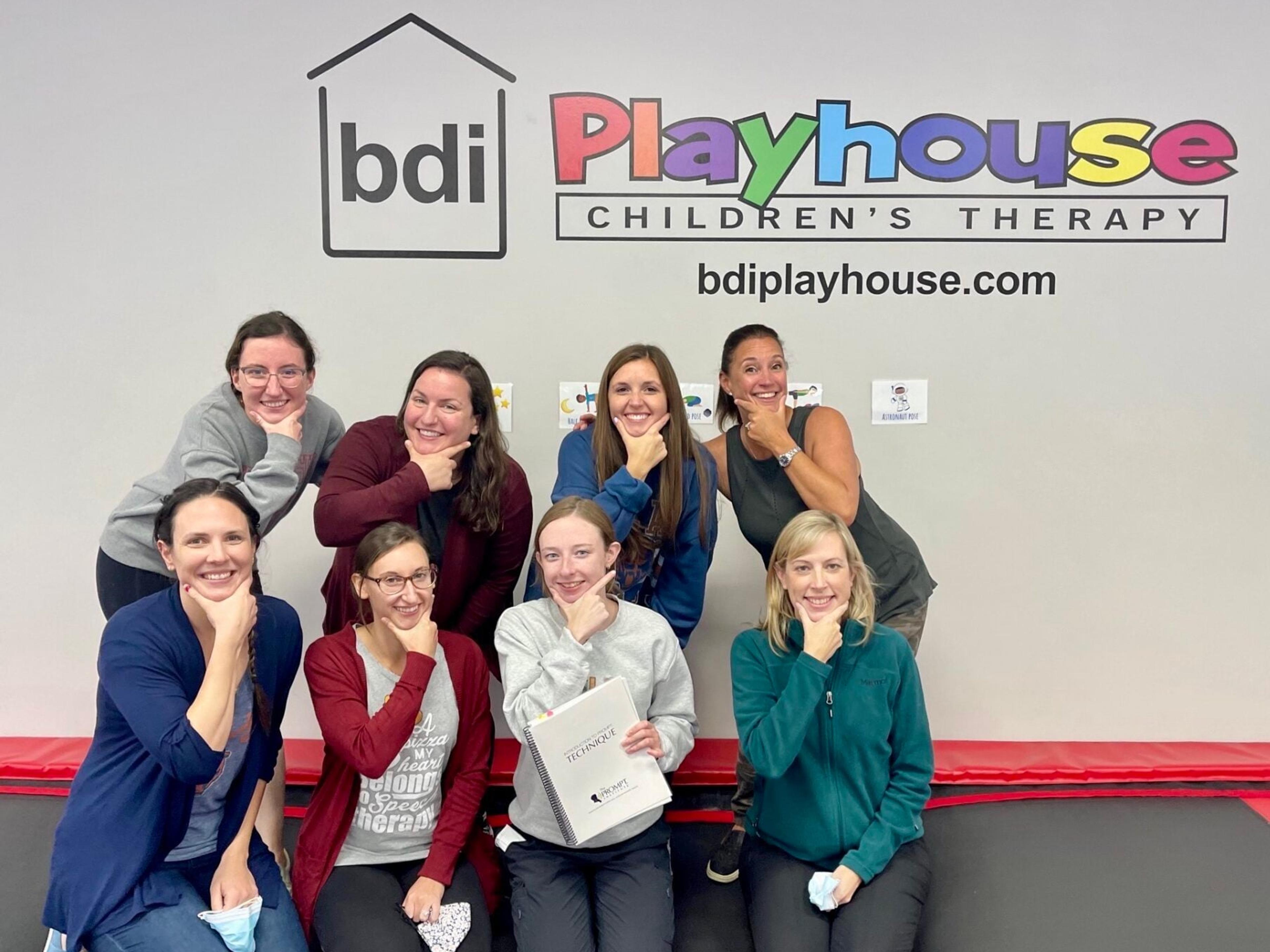
PROMPT is a hands-on approach to speech sound disorders. A PROMPT-trained speech-language pathologist uses touch cues to teach a child how to move the jaw, lips and tongue, practicing words that matter in your child’s everyday life.
A list of local and online communities for families of children in therapy or with special needs, including special recreation programs and family meetups.
Posture is how the body is aligned in everything we do: sitting, standing, moving and even sleeping. Learn the red flags to watch for, why children (especially children with special needs) are at risk, and how good alignment lowers the risk of pain and injury later.
Ten clear signs that a pediatric physical therapist should take a look at your child’s feet, including pain, differences between the two feet and toe walking.
Reading help from our Orton-Gillingham trained speech-language pathologist for children who struggle to read and spell fluently. Learn the early signs of reading difficulty and how the Orton-Gillingham approach helps.
Babies are born with automatic reflexes that should fade as they grow. When a reflex lingers, it can affect motor skills, attention, feeding, speech and more. Learn the red flags and how physical or occupational therapy can help.
School therapy and private therapy are two different approaches that work best together. See how they differ in goals, funding, setting and family involvement, and how private therapy can address everyday skills that school services don’t cover.
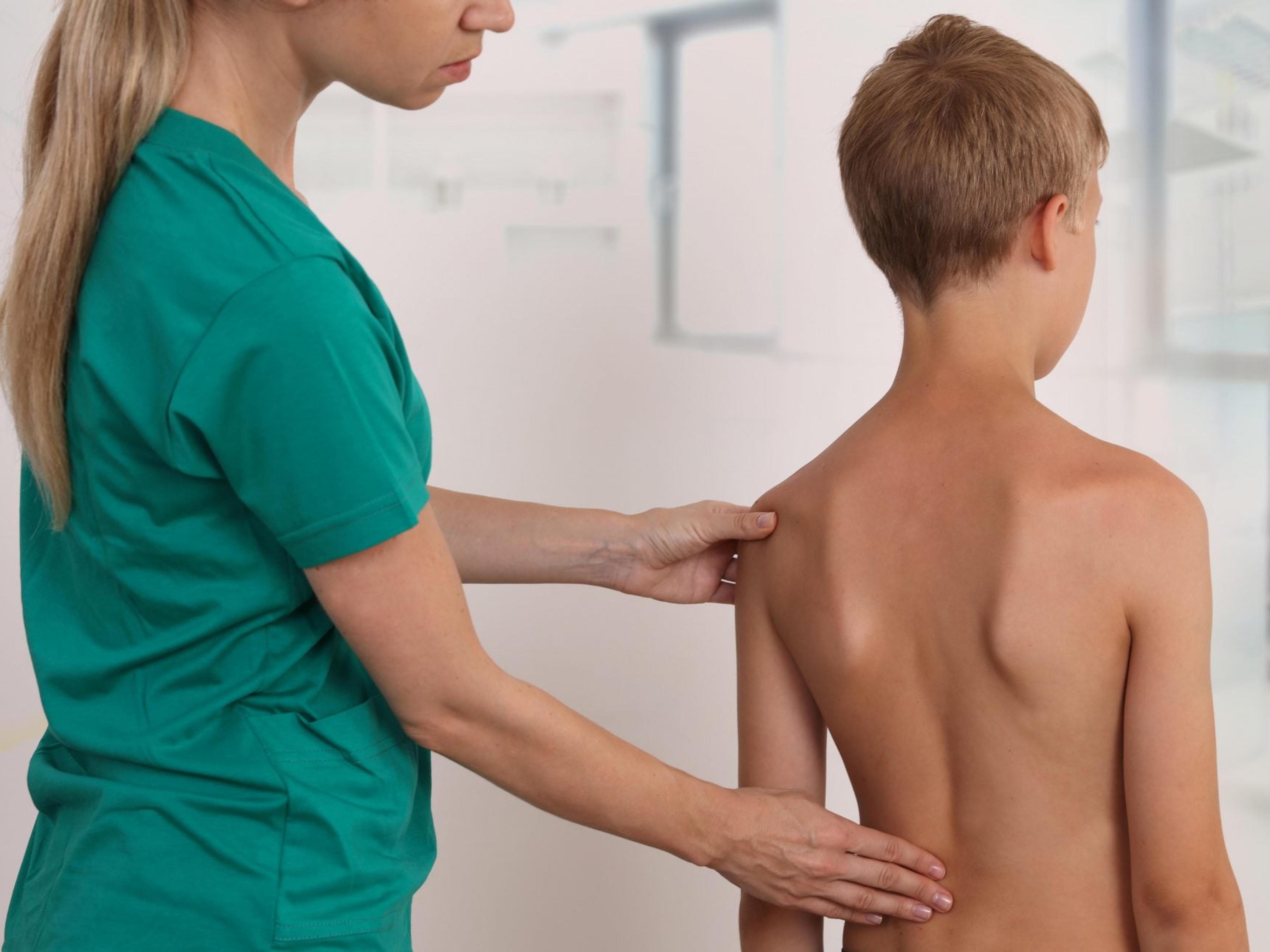
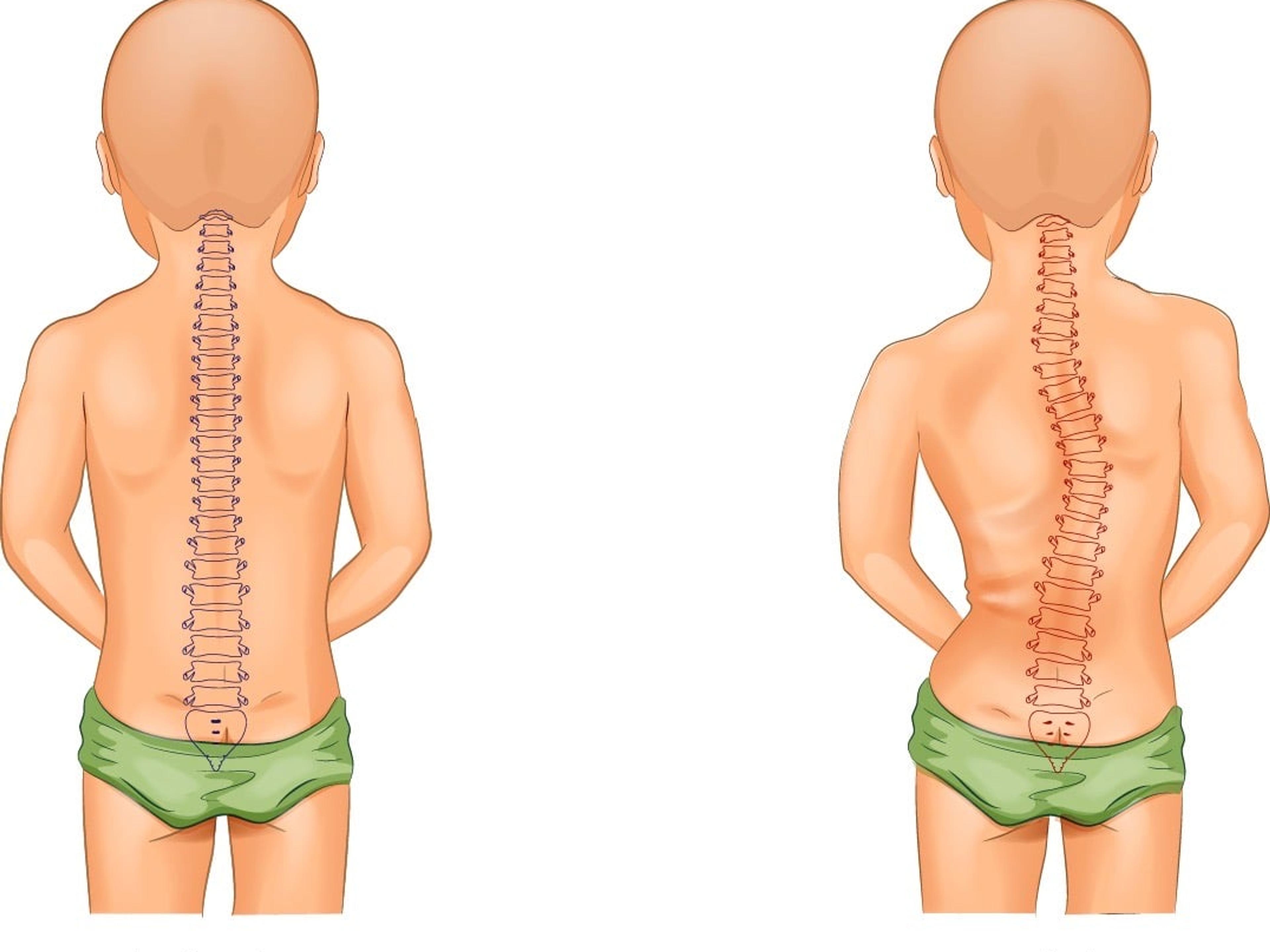
One-on-one scoliosis care with a Schroth Certified therapist. Scoliosis-specific exercises build postural awareness, strength and motor control, with the aim of stopping curve progression and reducing functional limits, alongside a brace if needed.
Free 30-minute screenings with a physical therapist, occupational therapist or speech-language pathologist, by Zoom or phone. Ask your questions and get answers. If we don’t have them, we’ll point you to professionals we trust.
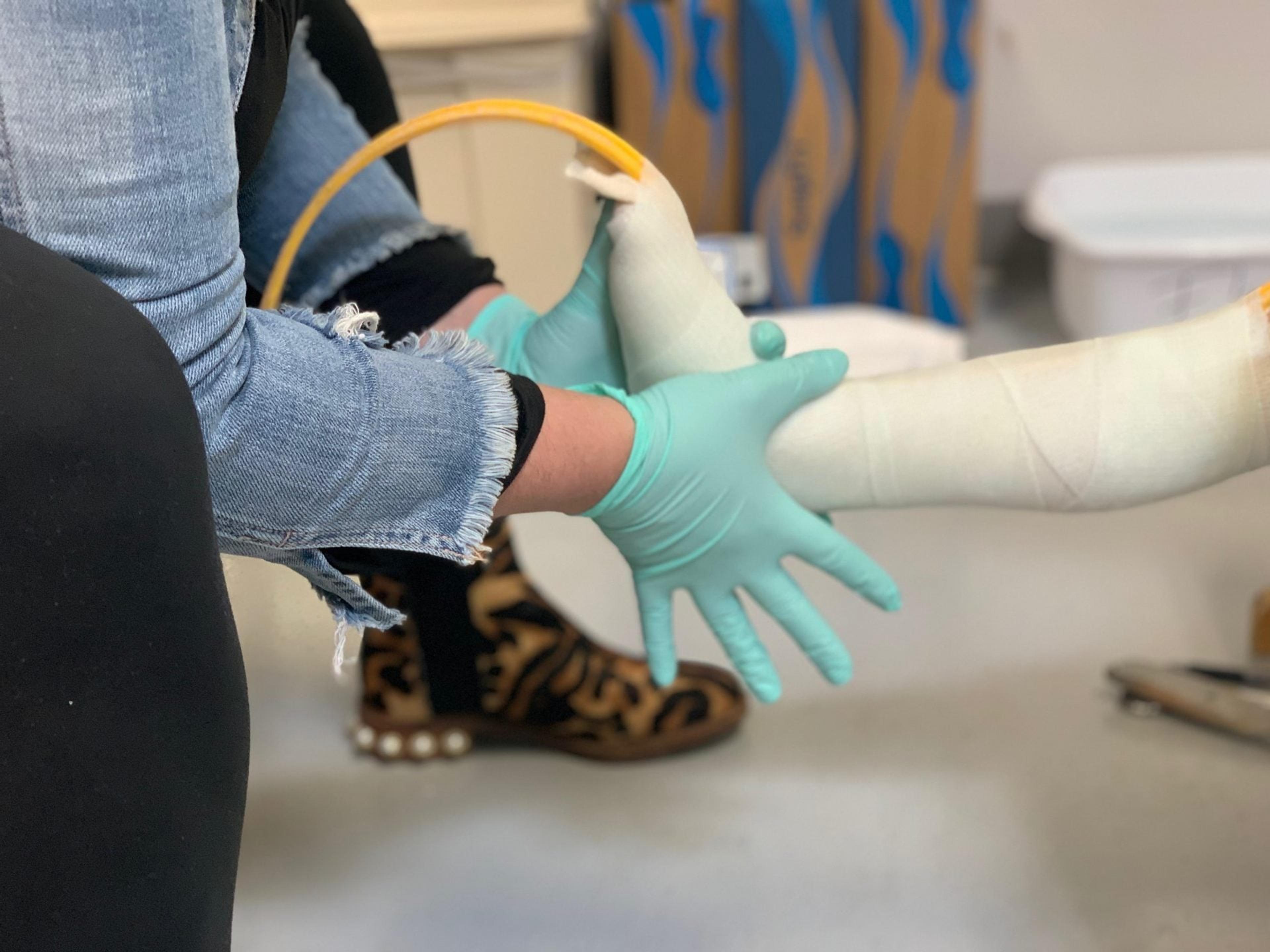
Serial casting is a noninvasive treatment that uses a cast, or a series of casts, to improve range of motion and foot alignment for toe walking, club foot and limited ankle motion. Most children walk on the cast and keep up with typical activities.
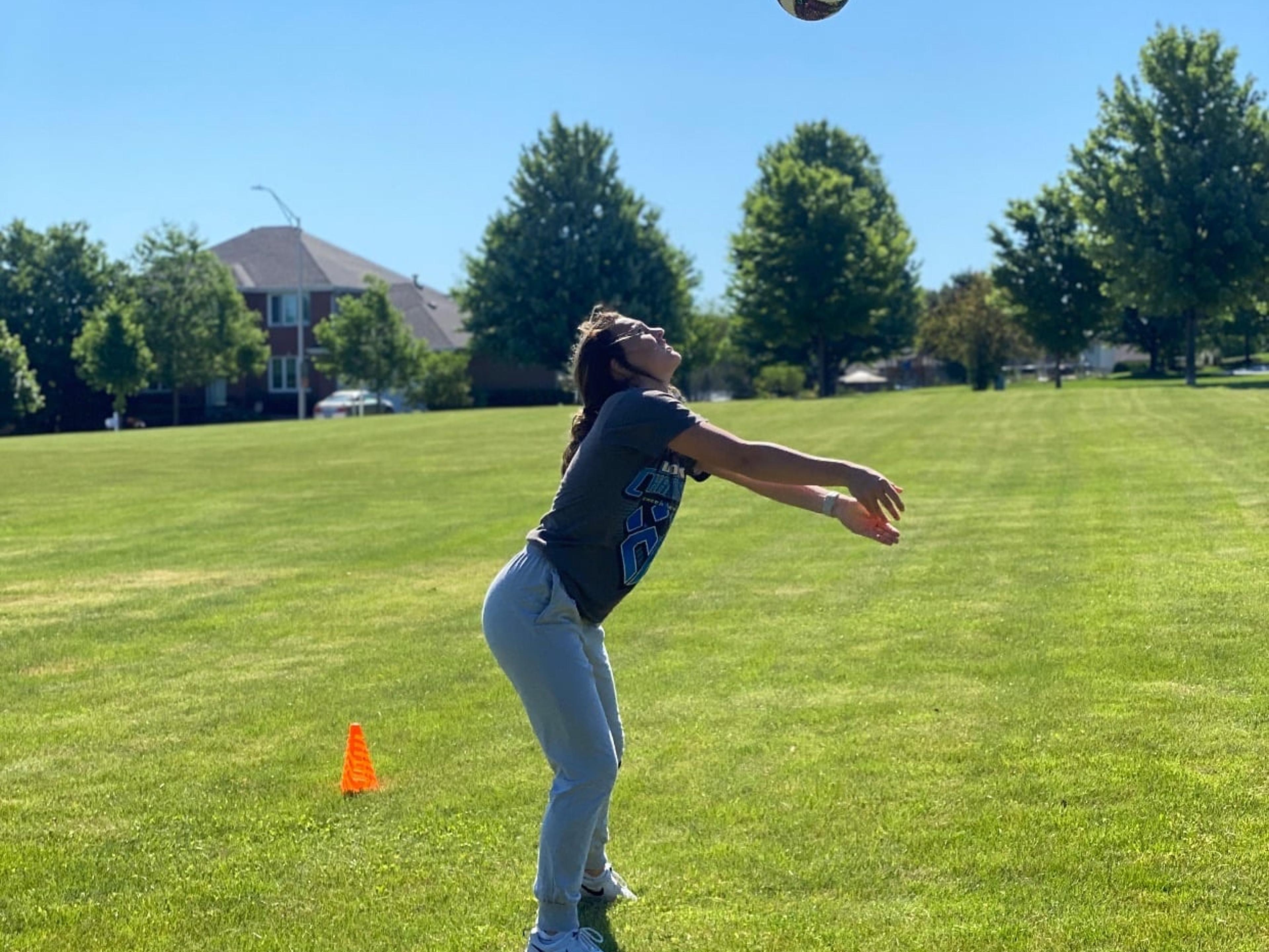
Treatment and prevention of sports and exercise injuries for young athletes. Growing bodies are at higher risk of injury, and our pediatric sports physical therapists help kids heal, restore joint mechanics and return to their sport.
Therapeutic Listening is a sound-based program that uses modified music to change how the body takes in and responds to sensory information. Paired with occupational therapy, it can support listening, attention, motor planning and communication.
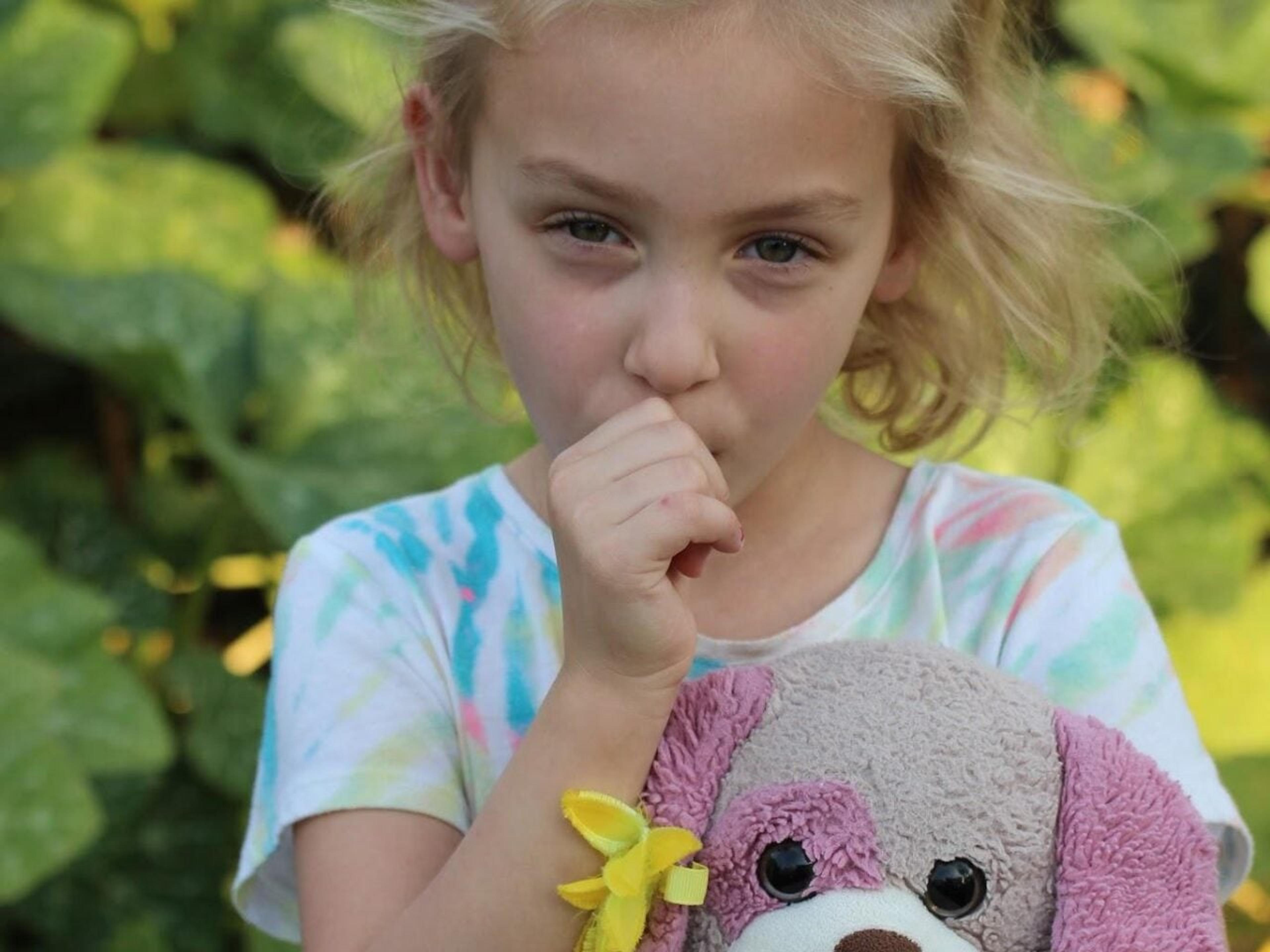
Help ending thumb sucking and other oral habits such as finger, pacifier or tongue sucking and nail chewing. Our IAOM-trained myofunctional therapist evaluates the habit and guides your family through a positive, encouragement-based plan to stop it.
Toe walking can be normal for a new walker, but it should fade as walking matures. If your child still walks on tiptoes after age 2, our occupational and physical therapists can screen for the cause. Early treatment can help avoid casting or surgery later.
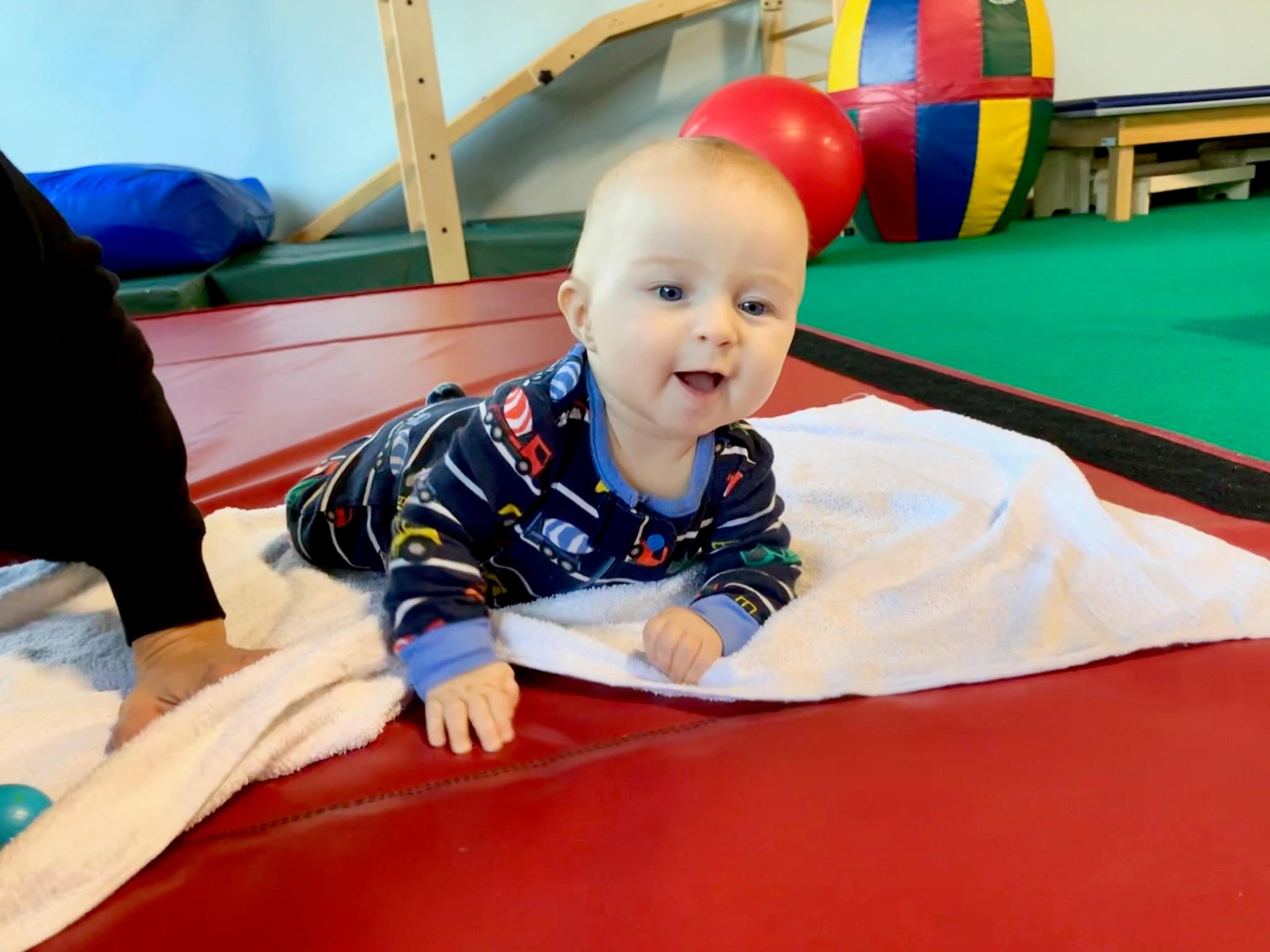
Why tummy time matters, by physical therapist Sheri Ireland-Berk. Time on the tummy strengthens a baby’s neck and shoulders, builds the skills for rolling, sitting and crawling, and helps prevent flat spots on the head.
Learn more
Advanced training across our team
Two Heads (or More) are Better Than One!
Your child deserves a highly trained therapist who specializes in the most recent research-proven methods. Our therapists generously surpass required continuing education expectations for licensing year after year. Our collaborative team approach and reserved scheduled times for mentoring, training, and sharing of ideas means that your child will have access to the best in intervention strategies from more just than one therapist… because two heads (or more) are better than one!
BDI Playhouse Children’s Therapy proudly hosts multiple professional trainings each year, allowing for significantly more post-graduate training hours than peers in our profession. Our team proudly and happily shares their knowledge, skills, and expertise so that ALL of our patients and families can reap the benefits.
Learn More about Some of our Areas of Expertise and Specialty Services Below: