Back-to-School: Helping Children and Families Navigate the Challenges of a New School Year

Back-to-School: Helping Children and Families Navigate the Challenges of a New School Year

As summer comes to an end, families begin preparing for another school year filled with new opportunities, routines, friendships, and experiences. While back-to-school season can be exciting, it can also bring feelings of stress, anxiety, uncertainty, and overwhelm for children, teens, and parents alike.

Returning to school often means adjusting to earlier mornings, managing homework, navigating social situations, meeting new teachers, and balancing academic and extracurricular responsibilities. For some children, these changes may feel manageable, while others may experience difficulty adjusting to the demands of a new school year.

At BDI Children’s Therapy, we understand that the transition back to school can bring a variety of emotional and behavioral challenges. With preparation, patience, and the right support, families can develop healthy strategies to make this transition feel more manageable.

Understanding Common Back-to-School Challenges

Every child experiences the school year differently. Recognizing potential challenges can help parents and caregivers provide support before stress becomes overwhelming.

Some common back-to-school challenges include:

  • School-related anxiety: Worries about academic performance, tests, new teachers, unfamiliar classrooms, or being away from caregivers.
  • Difficulty adjusting to routines: Transitioning from a relaxed summer schedule to early mornings, structured days, and regular homework can be challenging.
  • Social pressures: Making new friends, navigating peer relationships, managing conflict, or worrying about fitting in can create emotional stress.
  • Academic expectations: Increased workloads, challenging subjects, and pressure to succeed may contribute to feelings of frustration or self-doubt.
  • Emotional overwhelm: Children and teens may struggle to communicate their feelings, regulate their emotions, or manage multiple responsibilities.
  • Changes in family routines: Busy schedules, transportation arrangements, extracurricular activities, and work commitments can create additional stress for the entire household.

It is important to remember that children do not always express stress by saying they feel anxious. Sometimes, emotional distress may appear as irritability, withdrawal, difficulty sleeping, frequent stomachaches, or reluctance to attend school.

Responding with curiosity, compassion, and understanding can help children feel safe sharing what they are experiencing.

7 Ways to Help Your Child Navigate the School Year

1. Establish Healthy and Predictable Routines

Predictable routines can help children feel more secure and prepared for the school day. A consistent bedtime, morning routine, and designated homework time can reduce uncertainty and make daily transitions easier.

Consider gradually adjusting sleep schedules before school begins, preparing backpacks and clothing the night before, and creating a family calendar to keep track of important activities.

Remember that routines should provide structure without becoming another source of pressure. Flexibility is important, especially during the adjustment period.

2. Encourage Open and Honest Communication

Create opportunities for your child to talk about their thoughts, feelings, and concerns.

Instead of immediately offering solutions, begin by listening. Ask open-ended questions such as:

  • “What are you looking forward to this school year?”
  • “Is there anything about going back to school that feels difficult?”
  • “What would help you feel more comfortable?”
  • “How can I support you when things feel overwhelming?”

Validate their emotions by letting them know that it is okay to feel nervous, frustrated, excited, or uncertain.

Statements such as “It makes sense that you feel nervous about something new” can help children feel understood rather than dismissed.

3. Teach Healthy Coping Skills

Children and teens benefit from learning practical ways to manage stress and regulate their emotions.

Some coping strategies to practice at home include:

  • Deep breathing: Encourage slow, gentle breaths when feelings of anxiety or frustration arise.
  • Grounding exercises: Help your child focus on what they can see, hear, and feel in the present moment.
  • Positive self-talk: Practice replacing thoughts such as “I can’t do this” with “I can take this one step at a time.”
  • Movement and physical activity: Walking, stretching, playing outside, or participating in sports can provide a healthy outlet for stress.
  • Taking breaks: Encourage children to step away from challenging tasks when they feel overwhelmed and return when they are ready.

The goal is not to eliminate every uncomfortable emotion. Instead, children can learn that difficult feelings are manageable and that they have tools to help themselves through challenging moments.

4. Build Confidence Through Small, Achievable Goals

A new school year can feel overwhelming when children focus on everything they need to accomplish at once.

Help your child break larger responsibilities into smaller, realistic steps. For example, instead of focusing on an entire week’s worth of homework, begin with one assignment or a short period of focused work.

Celebrate effort, progress, and persistence rather than focusing exclusively on grades or outcomes.

Remind your child that making mistakes is a normal part of learning. Developing confidence often comes from experiencing challenges, receiving support, and discovering that setbacks do not define their abilities.

5. Support Healthy Social Connections

Friendships and peer relationships can have a significant impact on a child’s school experience.

Encourage your child to explore opportunities to connect with others through clubs, sports, extracurricular activities, or shared interests.

If your child is nervous about making friends, help them practice simple conversation starters or role-play situations they may encounter at school.

For children experiencing friendship difficulties, exclusion, or bullying, listen carefully and take their concerns seriously. Work collaboratively with school staff when additional support is needed.

6. Prioritize Emotional Wellness and Self-Care

Academic success is only one part of a child’s overall well-being. Emotional health, physical health, relationships, and opportunities for rest are equally important.

Help your child maintain a healthy balance by encouraging:

  • Consistent and adequate sleep.
  • Regular meals and hydration.
  • Time for play, hobbies, and enjoyable activities.
  • Breaks from screens and social media.
  • Opportunities to relax and spend meaningful time with family.
  • A healthy balance between school responsibilities and personal interests.

Parents and caregivers also need time to recharge. Taking care of your own emotional wellness can help you respond to your child’s needs with greater patience and understanding.

7. Maintain a Partnership With Your Child’s School

Parents, caregivers, teachers, school counselors, and mental health professionals can work together to support a child’s success.

If you notice ongoing academic, behavioral, emotional, or social difficulties, consider reaching out to your child’s teacher or school support team.

Sharing concerns early can help identify appropriate resources, accommodations, or strategies before challenges become more difficult to manage.

You do not have to navigate every concern on your own. Asking for support is a proactive step toward helping your child thrive.

When Back-to-School Stress May Require Additional Support

Some nervousness and adjustment difficulties are common during transitions. However, when emotional distress becomes persistent, intensifies, or begins interfering with daily functioning, additional support may be beneficial.

Consider reaching out to a mental health professional if your child experiences:

  • Persistent anxiety or excessive worry about attending school.
  • Frequent emotional outbursts, irritability, or difficulty managing feelings.
  • Ongoing sleep difficulties or physical complaints associated with school stress.
  • Withdrawal from friends, family, or activities they previously enjoyed.
  • Significant changes in mood, behavior, or motivation.
  • Difficulty completing everyday responsibilities because of emotional distress.
  • School avoidance or repeated difficulty attending school.

These experiences do not automatically indicate a mental health disorder, but they may be signs that your child needs additional care and support.

Early intervention can help children and teens develop skills to navigate challenges, strengthen emotional resilience, and improve their overall well-being.

How Counseling Can Help

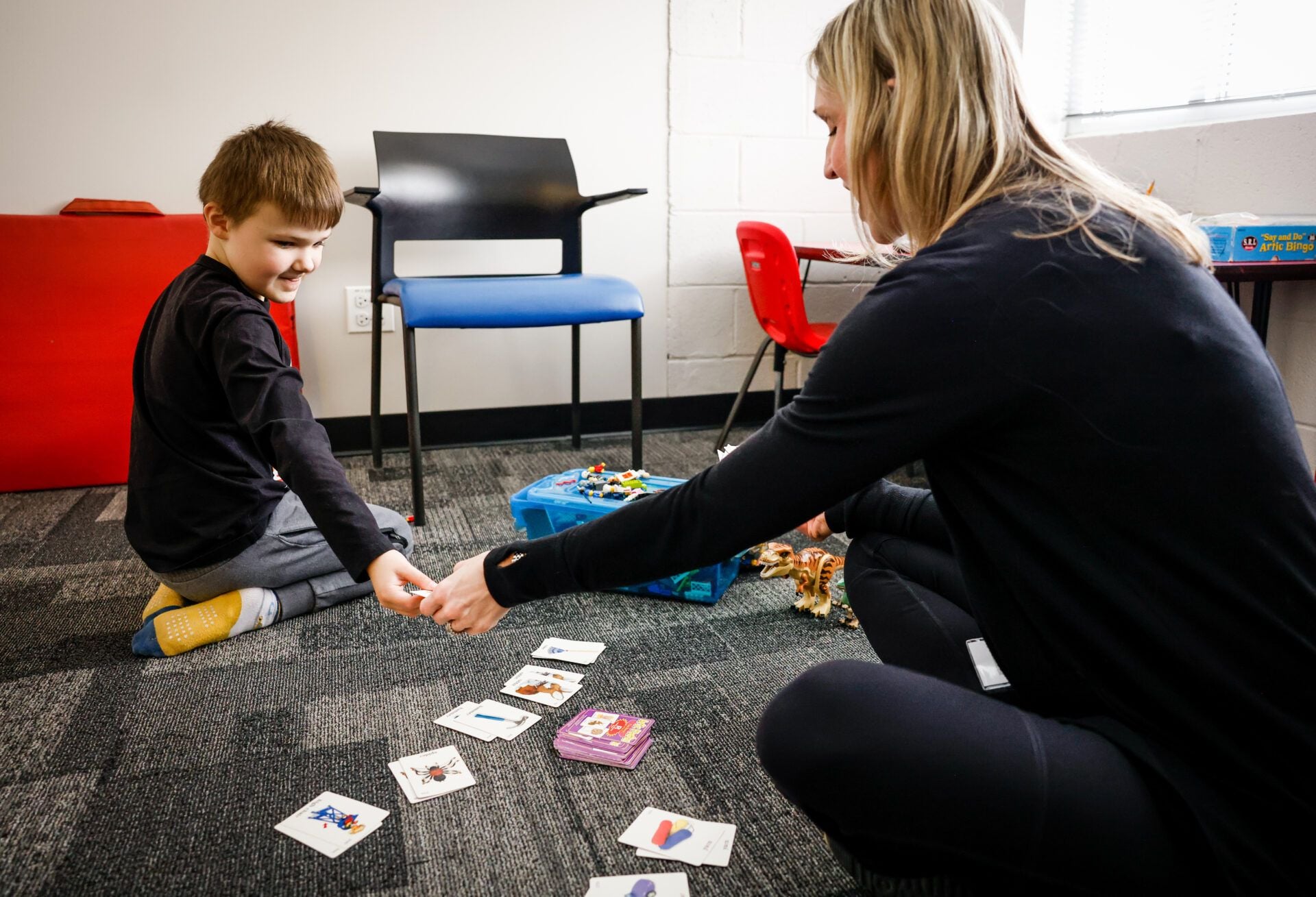
Counseling provides a supportive environment where children, teens, and families can explore challenges, develop coping strategies, and build confidence.

Depending on the individual’s needs, counseling may help with:

Managing anxiety and stress: Learning practical techniques to identify triggers, regulate emotions, and respond to stressful situations.

Developing emotional regulation skills: Understanding feelings and practicing healthy ways to communicate and manage them.

Strengthening self-esteem and confidence: Challenging unhelpful thought patterns, recognizing personal strengths, and developing a more balanced sense of self.

Improving social skills and relationships: Building communication skills, practicing problem-solving, and navigating friendships and peer interactions.

Supporting parents and caregivers: Learning strategies to respond to emotional and behavioral challenges, establish healthy boundaries, and create a supportive home environment.

Building resilience: Developing the ability to adapt to change, recover from setbacks, and approach challenges with greater confidence.

Counseling is not just for moments of crisis. It can also be a valuable resource for children and families who want to strengthen their skills, improve communication, and prepare for upcoming transitions.

A Reminder for Parents and Caregivers

As your child navigates the school year, remember that adjustment takes time. Some days will go smoothly, while others may bring unexpected challenges.

Try to approach difficult moments with patience and compassion. Focus on progress rather than perfection, and remind your child that they do not have to figure everything out on their own.

Your willingness to listen, offer encouragement, and seek support when needed can make a meaningful difference in how your child experiences the school year.

And remember: You do not have to be a perfect parent to be a supportive one.

We’re Here to Help

The back-to-school transition can bring many emotions and challenges, but families do not have to navigate them alone.

At BDI Children’s Therapy, we are committed to supporting children, teens, and families as they work through life’s challenges and develop the tools they need to thrive.

Whether your child is experiencing school-related anxiety, struggling with emotional regulation, navigating friendship difficulties, or simply needs additional support adjusting to change, counseling can provide a safe and supportive space to work through those concerns.

Let’s work together to make this school year a season of growth, confidence, connection, and emotional wellness.

Contact us today to learn more about our counseling services and how we can support your family this school year. Your child’s emotional well-being matters, and we’re here to help.

Therapy for Parents: When “Do It Again!” Comes 100 Times

If you’ve ever told your child to do something… and then told them again… and again… and again… you are definitely not alone.

Sometimes parenting can feel like you’re stuck in a loop, like a video that won’t stop replaying:

  • “Brush your teeth!”
  • “Do it now!”
  • “Okay, one more time…”
  • “Wait, did you hear me?”
  • “Brush your teeth: 100% this time!”

And when you’re exhausted, it’s easy to think, “Why won’t they just listen?”

But here’s something important: kids aren’t trying to be difficult to annoy you.

Most of the time, they’re still learning skills like listening, remembering, switching gears, and doing tasks when their brain feels like saying, “Nope!”

That’s where therapy can help not only children, but parents too.

Why Telling a Kid Something 100 Times Happens (Even in Great Families)

Kids have growing brains. Their brains are busy building skills like:

  • Attention (staying focused)
  • Memory (remembering what you said)
  • Self-control (doing something even when they don’t feel like it)
  • Understanding (knowing what “now” means)
  • Transitions (stopping one thing and starting another)

So when you say, “Time for pajamas,” your child might hear it like:

  • “Pajamas… later… maybe…”
  • “Wait, I want to keep playing.”
  • “I forgot.”
  • “I don’t want to stop!”
  • “This is too big.”

That doesn’t mean they don’t love you. It means they’re learning.

What Therapy Does for Parents (Yes, Parents!)

Parenting support in therapy isn’t about making you feel guilty. It’s about helping you feel like you have a toolbox, not just a worn-out voice.

Therapy can help parents:

  1. Feel calmer when reminders pile up

When you’re calm, your child’s brain has an easier time cooperating too. Therapy teaches parent strategies like:

  • breathing tools
  • calming scripts
  • how to pause before repeating

2. Use “one-and-done” ideas instead of “repeat and repeat”

Therapy can help you try approaches like:

  • clear, simple directions
  • fewer words
  • matching your tone to what you want
  • giving a choice when possible (without giving control away)

3. Turn battles into predictable routines

Routines are like friendly maps for your child’s brain.

Therapy can help you build patterns such as:

  • a “first/then” schedule
  • visual steps (especially helpful for younger kids)
  • a consistent “transition plan”

4) Spot the reasons behind the “no”

Sometimes the “100 times” isn’t because your child is ignoring you.

It might be because they’re:

  • overwhelmed
  • bored
  • struggling with instructions
  • having trouble switching tasks
  • distracted
  • worried about something

Therapy helps parents understand what’s underneath the behavior so responses match the need.

A Fun Parent Myth to Drop: “They’re Not Listening”

Let’s rename the problem.

Instead of: “They’re not listening.”

Try: “They’re struggling with the skill.”

That’s a huge mindset shift and therapy helps you practice it.

Because when you see the struggle, you can choose support that works, like:

  • breaking tasks into smaller steps
  • using visuals
  • helping with transitions
  • praising effort (not just “doing it right”)

The “Parent Power Plan” (A Tiny Toolbox for Big Days)

Step 1: Say it clearly (once)

Keep it short. Think: simple instructions, not speeches.

Step 2: Follow through calmly

Not angry. Not lecturing. Just consistent.

Step 3: Help your child succeed

If they struggle, it might help to:

  • remind with a visual
  • show the first step
  • offer a quick break
  • use “first/then”

Step 4: Catch them doing it right

This is powerful. When your child starts cooperating, therapy encourages parents to notice it. Because attention can be like sunshine: kids grow toward what gets noticed.

A Closing Thought

If you’ve had to remind your child 100 times, you haven’t failed. You’ve been doing your best in a situation where your child is still learning. And therapy can help you build a plan that makes those reminders less frequent and more effective so you can both feel proud instead of frustrated.

Constipation and Bedwetting: How Physical Therapy Can Help

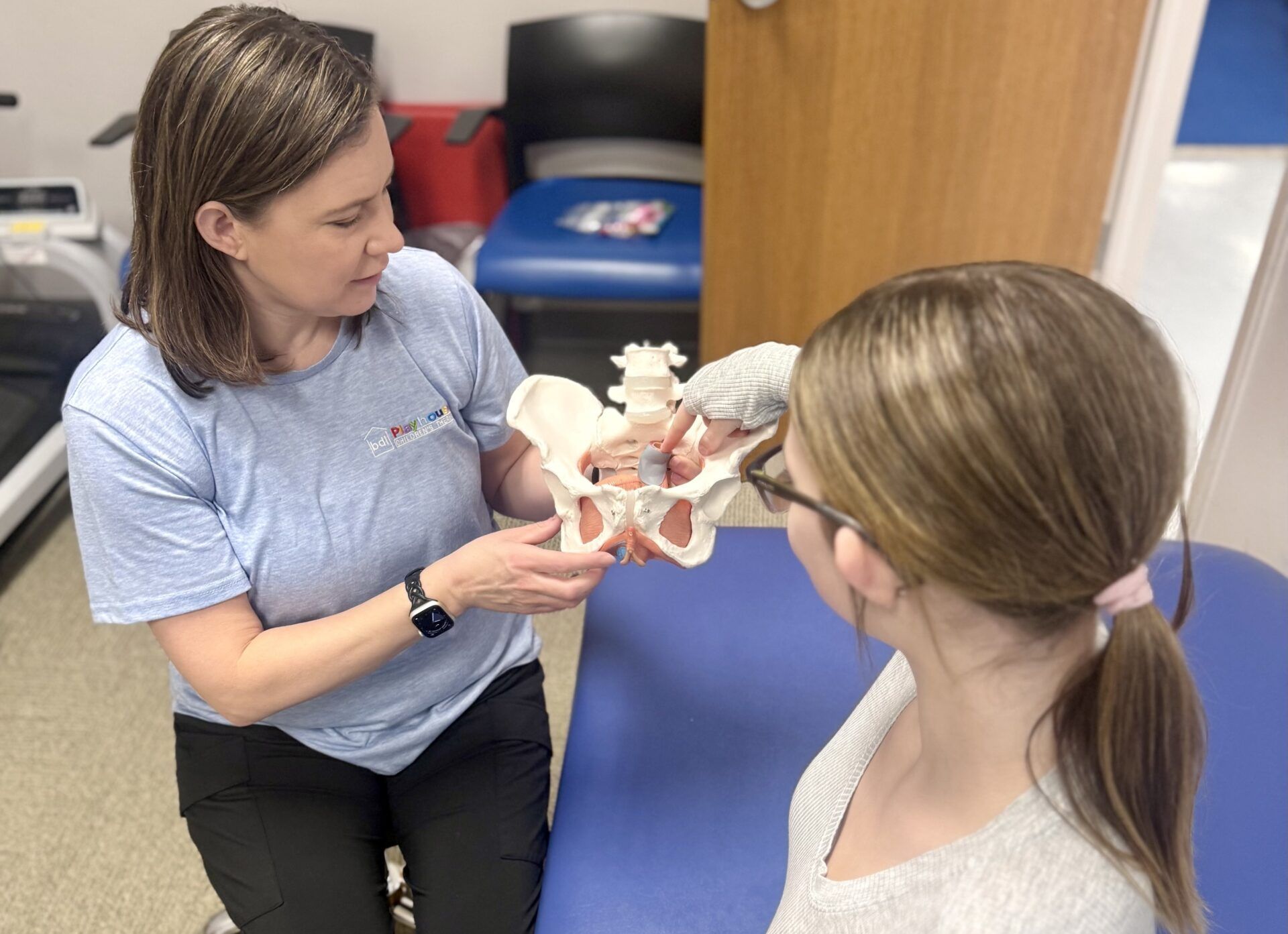
Bedwetting is stressful for kids and parents alike, and it often feels like you’ve tried everything—limiting fluids, nighttime reminders, or alarms—with limited results. You may have even heard that they will outgrow it. One of the most overlooked contributors is constipation, and one of the most effective ways to address it is through pediatric pelvic floor physical therapy.

Understanding the connection between constipation and bladder function can empower families and open the door to meaningful improvements.

Why Constipation Matters for Bedwetting

The rectum (where stool is stored) sits directly behind the bladder. When a child is constipated:

1. Stool Takes Up Space and Pushes on the Bladder

A full rectum puts pressure on the bladder, reducing how much urine it can hold comfortably. This makes nighttime accidents more likely—especially during deep sleep.

2. The Nerves Become Confused

Chronic constipation can stretch the rectum, affecting the nerves that communicate with the bladder. Kids may not feel bladder fullness or may get mixed signals that lead to urgency or accidents.

3. The Pelvic Floor Has to Work Harder

The pelvic floor muscles help children hold in urine and regulate bowel movements. When constipation is present, these muscles often become tense, weak, or poorly coordinated—directly impacting continence during the day and night.

The Physical Therapy Perspective

Pediatric physical therapists look at constipation and bedwetting from a whole-body viewpoint. We consider:

  • Pelvic floor strength and coordination 
  • Breathing patterns that influence pressure on the bladder 
  • Posture during toileting and daily activities 
  • Movement habits that contribute to holding behaviors 
  • Nervous system regulation, especially in sensory-sensitive kids 

Bedwetting is rarely just a “bladder problem”—it is often a muscle coordination and biomechanics issue that PT can address.

How Physical Therapy Helps With Constipation and Bedwetting

1. Pelvic Floor Muscle Training

Children are taught—through play, games, and biofeedback when appropriate—how to relax the pelvic floor to poop effectively and contract it to maintain bladder control. Many kids with constipation unknowingly over-tighten these muscles, which worsens both constipation and bedwetting. 

Pelvic floor biofeedback is a gentle, kid-friendly tool used in pediatric physical therapy to help children understand how their pelvic floor muscles work. Small stickers are placed on the skin (not inside the body) connected to a computer that turns muscle activity into simple pictures or games. As the child watches the screen, they can see when their muscles are tightening or relaxing, which helps them learn how to use these muscles the right way for easier toileting. It’s safe, comfortable, and often feels more like playing a game than doing an exercise.

2. Improving Toilet Posture

Appropriate toilet posture can make pooping easier and help empty the bladder more fully. PTs help families improve core stability and help set up a bathroom routine with:

  • A footstool for stability 
  • Proper trunk alignment 
  • Breathing cues to reduce straining 

3. Addressing Breath Coordination

Holding breath during bowel movements or other activities increases abdominal pressure and disrupts pelvic floor control. PTs help kids learn diaphragmatic breathing to support both bowel and bladder function.

4. Increasing Core and Postural Strength

Weakness in the core or hips can make it harder for children to maintain pelvic stability. Strengthening helps improve the effectiveness of pelvic floor muscles.

5. Establishing Healthy Habits

Therapists work on routines to help support healthier bowel movements and bladder emptying:

  • Timed voiding 
  • Relaxed toilet sits after meals 
  • Recognizing body signals 
  • Reducing withholding behaviors

6. Sensory & Behavioral Strategies

For children with sensory needs, toileting refusal or avoidance,  ADHD, or autism, PT can help modify routines and environments so bathroom tasks feel safer and more predictable. PTs often collaborate with counselors, OT, and speech therapists to help best support their goals. 

Signs Your Child May Benefit From Physical Therapy

Consider a PT evaluation if your child has:

  • Bedwetting after age 6 
  • Hard, infrequent, or painful bowel movements 
  • Stool accidents or frequent skid marks 
  • Urinary urgency, frequency, or daytime accidents 
  • Sensory challenges around toileting 
  • Poor posture or difficulty relaxing to poop 
  • A history of constipation that keeps returning 

Addressing this early helps prevent chronic stretching of the rectum and long-term bladder dysfunction.

The Good News: Real Improvements Are Possible

Many families are surprised at how quickly things improve once constipation and pelvic floor coordination are addressed. Some families even notice improvements after the initial evaluation. The typical treatment duration is 8-12 sessions with families participating in home exercise progreams. 

Reducing stool buildup creates more space for the bladder, improves nerve signaling, and allows the pelvic floor to function properly. As bowel movements normalize and the bladder empties more effectively, nighttime dryness often follows.

Physical therapy provides children with the tools, awareness, and body confidence they need to support healthy bowel and bladder habits. With time and consistency, kids can achieve better control, sleep more comfortably, and participate fully in daily life without embarrassment.


Spotlight on Sports- Why Should Your Child Participate?

Are you wondering if a sport is a good fit for your child? Do you have an already busy family schedule and are wondering if it is worth it to add another activity to your routine? Sports and adaptive sports have a variety of benefits for your child and your family.

Whether it be an individual, team, or adaptive sport, sports have many benefits for your child.

Physical Benefits:

Sports provide an opportunity for kids to engage a variety of their body systems to work together to achieve a goal. Sports involving walking, running, rolling, jumping, swimming, and biking provide cardiovascular benefits, making the heart and the lungs strong. Sports involving static poses or movements performed on one leg, such as yoga, karate, and dance, target the balance system, which can result in more controlled movements in daily life and less frequent falls. Sports involving complex movement patterns such as throwing or hitting a ball, memorizing and performing a dance sequence, or swinging a racket, improve coordination. Sports also improve kids’ strength, challenging them to roll and run faster, jump higher, and throw farther. Through these improvements, kids can progress their endurance, leading to walking and rolling longer stretches, which can increase their ability to walk the entire grocery store, increase their time spent at the park, or walk the entire zoo before getting tired.

Social/Emotional Benefits:

Sports provide an outlet for kids to express themselves and interact with peers. Have you ever gone for a walk or called a friend to relieve your stress? Sports can be the same outlet for your child. Sports provide a social setting in which kids can interact with their peers, whether to encourage each other in an individual sport or work together to reach a common goal in a team sport. Working together to achieve a shared goal can boost confidence and problem-solving skills, while performing sports skills improve attention and confidence. Interacting with each other helps children engage in social communication, improving interaction and language skills. Furthermore, engaging in sports allows for children to engage in heavy work to regulate their sensory system. 

Here at BDI, we are passionate about sports. With many therapists as former student-athletes and our clinic’s coordination of the I Can Du It! Adaptive Duathlon every September, we want to support your family in your new or experienced sports and adaptive sports journey. 

Looking for the best sport for your child? Consult with your occupational or physical therapist to discuss the best option for you and your family.  

Cassidy Bannon, PT, DPT

BDI Playhouse 2025 Gift Guide

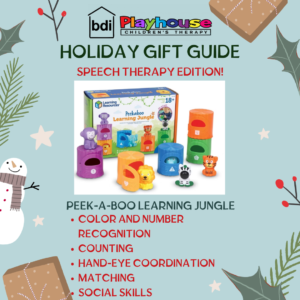
The holiday season is here, and with it comes the joy (and challenge) of finding the perfect gifts for the kids in your life! Our therapy team—made up of physical, occupational, speech, and mental health therapists—has put together a list of thoughtful, fun, and developmentally beneficial gift ideas for children of all ages. From toys that encourage movement and coordination to games that spark language and social skills, these gifts aren’t just fun—they help support growth, learning, and well-being. Whether you’re shopping for toddlers, school-aged kids, or teens, our team’s recommendations make it easy to give presents that are both meaningful and playfully engaging.

Recommendations from our Physical Therapy Team!

Baby Einstein Sea Dreams: https://amzn.to/3LflAAP

Take Along Tunes: https://amzn.to/4nsp8gs

Soccer Goal: https://amzn.to/4pk8ykw

Stepping Buckets: https://amzn.to/483xgym


Recommendations from our Occupational Therapy Team!

Picky Pads: https://amzn.to/47hgLjf

Rocket Balloons: https://amzn.to/4nsT8J4

Perfection: https://amzn.to/4nNiCkV

ABC Pops: https://amzn.to/3J8W9Ax


Recommendations from our Speech Therapy Team!

Picnic baskets: https://amzn.to/4o5NIUW

Peek-a-boo Animals: https://amzn.to/3LDf4UZ

Scented Markers: https://amzn.to/3M6F76R

Busy Book: https://amzn.to/4p9W6Ua

Daubers: https://amzn.to/49Ycraa


Recommendations from our Mental Health Team!

Magnetic Fidgets: https://amzn.to/4i1K7Wi

Noise Machine: https://amzn.to/49pSqJu


Counseling Services for Children, Teens, and Families – Emotional, Behavioral & Parenting Support

At BDI, we support children and adolescents in exploring their thoughts, emotions, and behaviors to promote healthy coping strategies for life’s challenges. Much like physical health, mental well-being is essential for academic success, fostering healthy relationships, building self-confidence, and cultivating the ability to navigate life’s challenges. By prioritizing mental health early on, we can create a strong foundation for lifelong growth and development. Here’s an overview of some of the counseling services and therapeutic approaches we offer:

Individual counseling for children 3 and up, adolescents, and adults

Family Therapy

Family therapy offers a supportive space where families can improve communication, work through conflicts, and build stronger, healthier relationships. It supports families in navigating emotional or behavioral challenges, shifts in dynamics, or any situation causing stress or tension. Any combination of family members can be involved in our family counseling services, depending on what’s most helpful.

Family Therapy for Children, Teens, and Families at BDI Playhouse

Cognitive Behavior Therapy (CBT)

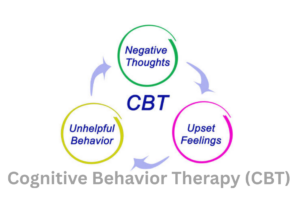
Cognitive Behavioral Therapy (CBT) is an evidence-based approach that highlights the link between thoughts, emotions, behaviors, and physical sensations. By shifting unhelpful patterns, CBT helps individuals develop effective coping skills and improve overall well-being.

Acceptance and Commitment Therapy

Acceptance and Commitment Therapy (ACT) is a mindfulness-based form of cognitive behavioral therapy that focuses on enhancing psychological flexibility—the ability to respond effectively to life’s challenges. Instead of avoiding or fighting difficult thoughts and emotions, ACT helps people accept them and focus on taking meaningful actions that align with their values.

Humanistic Therapy

Humanistic therapy centers on personal growth and self-actualization, seeing each person as naturally capable of positive change in order to reach their full potential. It values empathy, non-judgmental support, and authentic connections between therapist and client. If you’re interested in building strengths, exploring past experiences, and having the freedom to discuss a range of topics, this approach may be a good fit for you.

Therapeutic Play

Children naturally express themselves through play. Therapeutic play builds on this by focusing on learning and development, with the therapist taking a more active role. It helps children explore emotions, process trauma, improve behavior, and strengthen self-esteem and confidence.

Attachment-Based Therapy

Attachment-based therapy helps clients build or rebuild strong, trusting connections. The focus is on understanding early attachment experiences and promoting secure, supportive relationships in the present.

At BDI, we recognize that each child and family is unique, which is why we offer a variety of counseling services therapeutic approaches tailored to individual needs and goals. Whether your child is navigating big emotions, family changes, or academic stress, our compassionate team is here to support their journey toward emotional well-being. If you’re ready to take the next step or want to learn more about how counseling can help, we’re here to help you get started. Call our office at (708) 478-1820 to learn more or schedule an evaluation.

Written By: Letitia Kowalski, LCSW, PEL

BDI Playhouse 2024 Gift Guide

Finding the perfect holiday gift for kids can be a rewarding way to encourage fun and learning at the same time. There are many toys that help build important developmental skills while keeping playtime engaging. From games that improve fine motor and gross motor skills to play sets that encourage language and social interaction, these thoughtfully chosen gifts support occupational, physical, and speech therapy goals in creative, enjoyable ways. In BDI Playhouse’s 2024 Gift Guide, our therapists rounded up some of the best toys to inspire joyful growth in kids of all abilities. Click each heading within our gift guide for links to buy online!

Occupational Therapy Gifts

Mini Lite-Brite

Pix Brix

Physical Therapy Gift Guide

Bean bags

Yoga Ball


Foam Blocks or Play Couch


Balance Beam

Balance Stones

Speech Therapy Gifts

Marble Run

Pop the Pig

Critter Clinic

Tickets for an Experience: Zoo & Aquarium

Whether you’re looking to boost fine motor skills, encourage movement, or foster language development, these toys offer endless possibilities for growth through play. With options that blend fun and therapy, kids can enjoy every moment while building essential skills. Choose a gift that makes a lasting impact—and brings joy long after the holidays! Find more recommendations from our therapy team here as well!

More Recommended Products

This blog contains affiliate links.

Written By:

Kourtney Schultz, OTR/L

Kiersten Robertson, OTR/L

Rebecca Brennan, OTR/L

Cassidy Bannon, DPT

Dana Bukala, PTA

Courtney Rogers, CCC, SLP

Craniosacral Therapy: Does Dura Mater?

Craniosacral therapy (CST) is a gentle hands-on approach that may be helpful for children with certain issues, even if traditional treatments haven’t fully worked. So how does craniosacral therapy work? Here’s a simple way to understand it:

Dura mater consists of 3 layers of tissue that surround the brain, spinal cord, and nerve roots as they exit the central nervous system. It acts as a barrier to keep the brain and spinal cord safe and holds the fluid (called cerebrospinal fluid) that allows for lubrication and movement. Additionally, many blood vessels that supply the brain pass through these layers. If there are any tight areas or restrictions in these tissues, it can interfere with the brain’s ability to clear out waste, which can lead to dysfunction.

Craniosacral therapy (CST) leverages the surrounding tissue to help improve the movement of the dura mater. A skilled therapist, who is trained in CST, can find a restriction and restore mobility of these tissues.  Whenever other treatments fail, treating the Dura Mater may improve any residual symptoms that exist due to nervous tissue restrictions.

BDI Playhouse has Physical Therapists trained in CST. With a strong background in pediatric physical therapy, they are able to incorporate active movement following CST techniques. This allows the body to use the new motor patterns immediately after treatment. They are trained in movement analysis and are able to help families work towards functional outcomes. Home programs are also developed to further their gross motor skills.

Interested in finding out if CST would benefit your child? Contact us to schedule a free screening here or call our office at (708) 478-1820

Learn more about CST at BDI Playhouse here.


Written by: Lisa Wood, DPT

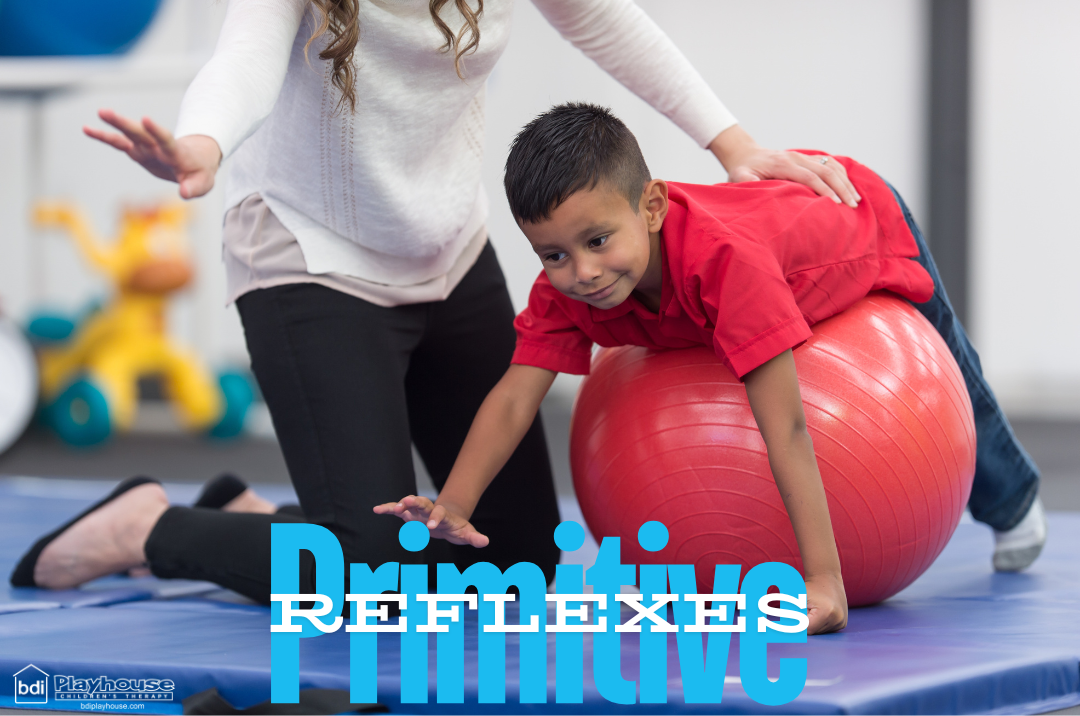
What are Primitive Reflexes?

What are Primitive Reflexes? How can they affect my child?

Each child is born with a set of critical reflexes that are integral to survival. A primitive reflex is an action that is performed as a response to a stimulus without conscious thought. For example: when you brush the side of your newborn’s cheek the baby will turn his head to root for food. This is the rooting reflex. Typically the reflex integrates or fades away as the neurological system matures. When a reflex does not integrate the child may demonstrate behavior and personality traits that correlate with that reflex. Through specific exercises the child gains more control of their body and no longer relies on primitive movement patterns. This ultimately improves the child’s physical and emotional control.

Symptoms of Retained Reflexes:

  • Anxiety
  • Toe walking    
  • Speech Issues
  • Poor gross motor coordination
  • Sensory concerns    
  • Clumsy
  • Poor fine motor coordination
  • Bed wetting    
  • Poor eye hand coordination
  • Motion sickness
  • Unable to sit still    
  • Picky eating


What are the causes or retained reflexes?

  • Developmental delay
  • C-section birth
  • Premature birth
  • Stroke in utero
  • Exposure to toxins       
  • Trauma during and/or after birth
  • Autism
  • Neurodivergent
  • These are just a few of the potential causes that may prevent reflexes from fading away


What can we do about it?

Specific exercises can be done to help those primitive reflexes fade away. Contact an Occupational Therapist or Physical Therapist who can help assess which primitive reflexes are present and give you some ideas to help your child. With professional guidance, you can implement strategies and exercises tailored to your child’s needs, aiding in their physical and emotional development.


Understanding and addressing retained reflexes can significantly impact your child’s growth and well-being. If you notice any of the symptoms listed, consider consulting a specialist to provide the support your child needs to thrive. Please contact BDI playhouse for a free screen at (708)478-1820 or info@bdiplayhouse.com. 


Written By: Jessica Frederick, COTA/L

The Importance of a Summer Routine

The Importance of a Summer Routine

When school ends your child’s daily routine doesn’t have to! Summer is the perfect time to remain consistent. For kids, having a routine in the summer is especially important. It helps provide stability, which is crucial for their development and well-being. Here are several ideas for a summer routine:

Encourage Healthy Habits: 

  • Continue establishing enough time for physical activity throughout your child’s day.
    • Play outside
    • Swim
    • Obstacle courses inside or out
    • Sports 
    • Bike Riding
  • Make sure your child is still going to bed at their regular time. 
    • Encourage your child to wake up and go to sleep around the same time each day

Encourage Creativity: 

  • Introduce new activities or hobbies to your child.
    • Gardening
    • Join a club or sports team
    • Play an instrument 
  • Allow time for your child to be bored during the summer. This allows your child to be creative and think of something new to do. 
  • Balance screen time and set limits for the amount of time your child spends on their iPad or watching television.

Educational Opportunities: 

  • Provide time for reading, STEM activities, visit museums, or engage in different art activities.

Make a Summer Bucket List:

  • This is the perfect idea for collecting ideas and putting them all together on one page. Have the whole family join to make it even more fun! 

By maintaining a routine, kids can enjoy their summer while staying healthy, active, and intellectually stimulated. This balance of structure and flexibility helps them make the most of their summer break. Our Occupational Therapy team can help you find the perfect modifications to your child’s routine to problem solve any tricky times during your day! Reach out to schedule a free screening for some tips! 

Written By: Kiersten Robertson, MOT, OTR/L