
Preschool: Top 5 Reasons Why Preschool is Important

Questioning whether or not to send your child to preschool? From a therapist perspective, preschool is such an important piece to practicing skills required later down the road. It facilitates structure, independence, social-emotional learning, and the foundation for higher level skills.
1. PLAY AT PRESCHOOL
Play is how kids learn! They learn to use their imagination, be creative, socialize with others their age, share, and problem solve when an obstacle arises. It also provides various play experiences through structured and unstructured activities, all of which allow children to build confidence, a sense of self, and critical thinking skills.
2. STRUCTURE
Preschool is where children start to participate in more structured routines like stations, lining up, singing a morning song, or learning the days of the week. Consistent routines are important for understanding expectations, predictability, and at the same time adapt to any changes that may arise.
3. FOUNDATIONAL SKILLS
Preschool helps you develop:
- Fine motor skills (pre-writing strokes, grasp, stringing beads, scissor skills)
- Visual motor skills (building block structures, coloring)
- Gross motor skills (catching, jumping, playing on the playground)
- Communication skills (having conversations with others, identifying colors, asking questions)
4. INDEPENDENCE
Preschool instills independence and provides an opportunity for children to develop self advocacy skills and personal interests. Within preschool, children start learning how to take responsibility for their actions and provide numerous occasions to complete simple tasks on their own.
5. SOCIAL-EMOTIONAL LEARNING
The preschool environment gives children the chance to engage with others, navigate conflict, understand their own emotions, and learn about empathy. Building on these skills at a young age provides children opportunities to grow and reach their full potential and beyond.
If you find that your child may have trouble in one or more of these areas, reach out to the BDI Playhouse office to schedule a free OT, ST, or PT screen.
Written By: Kiersten Robertson, MOT, OTR/L
Taggedpreschoollearning through playsocial-emotional learningindependencestructureroutine
Related posts
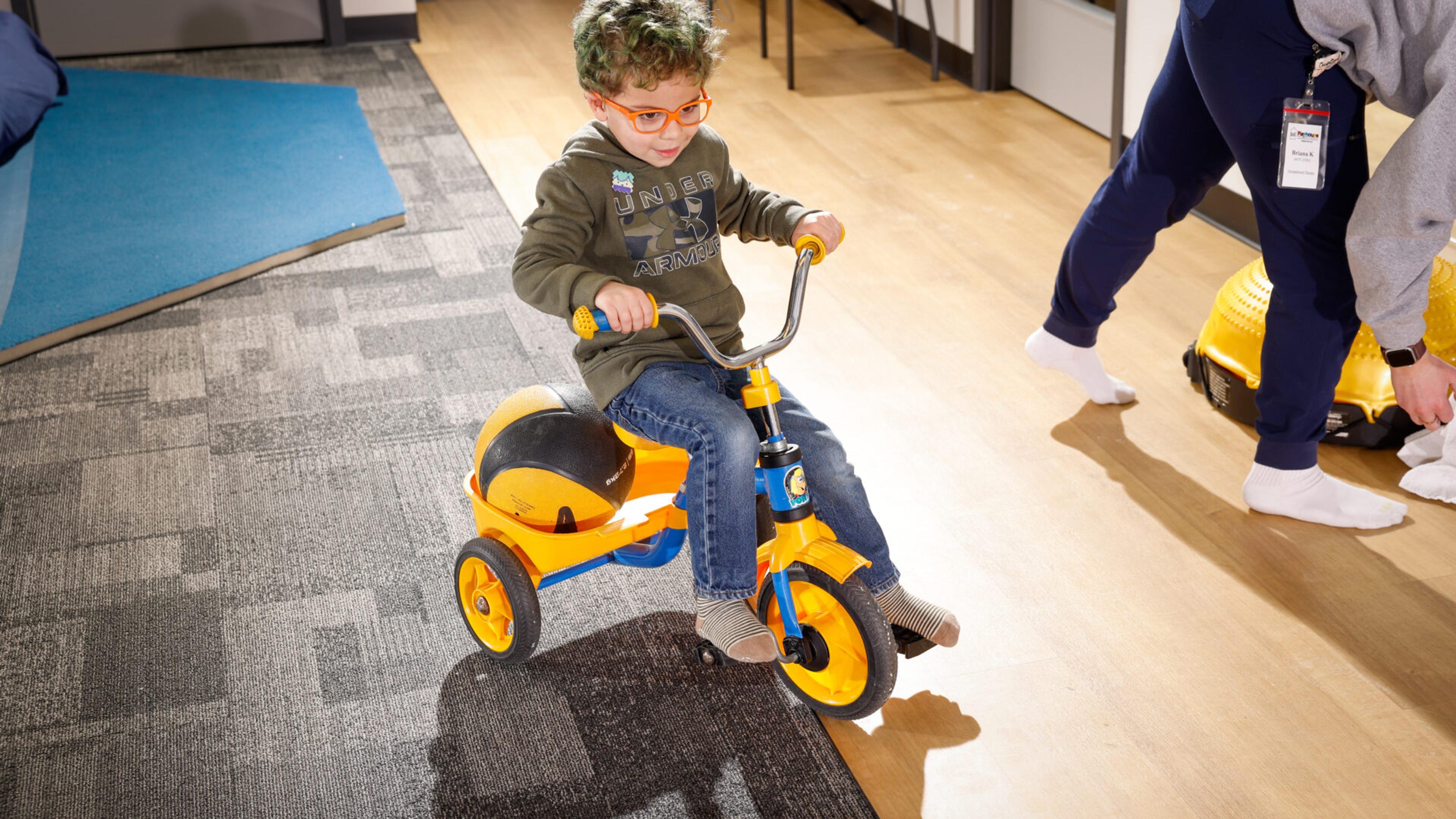
When the Weather Changes, So Can Our Mood: Helping You and Your Child Brighten Up
When the Weather Changes, So Can Our Mood: Helping You and Your Child Brighten Up As the seasons change, so can our moods, energy levels, and daily routines. Shorter days, colder temperatures, rainy afternoons, or long stretches of gray skies can sometimes leave children and adults feeling less motivated, more tired, irritable, or simply “off.”
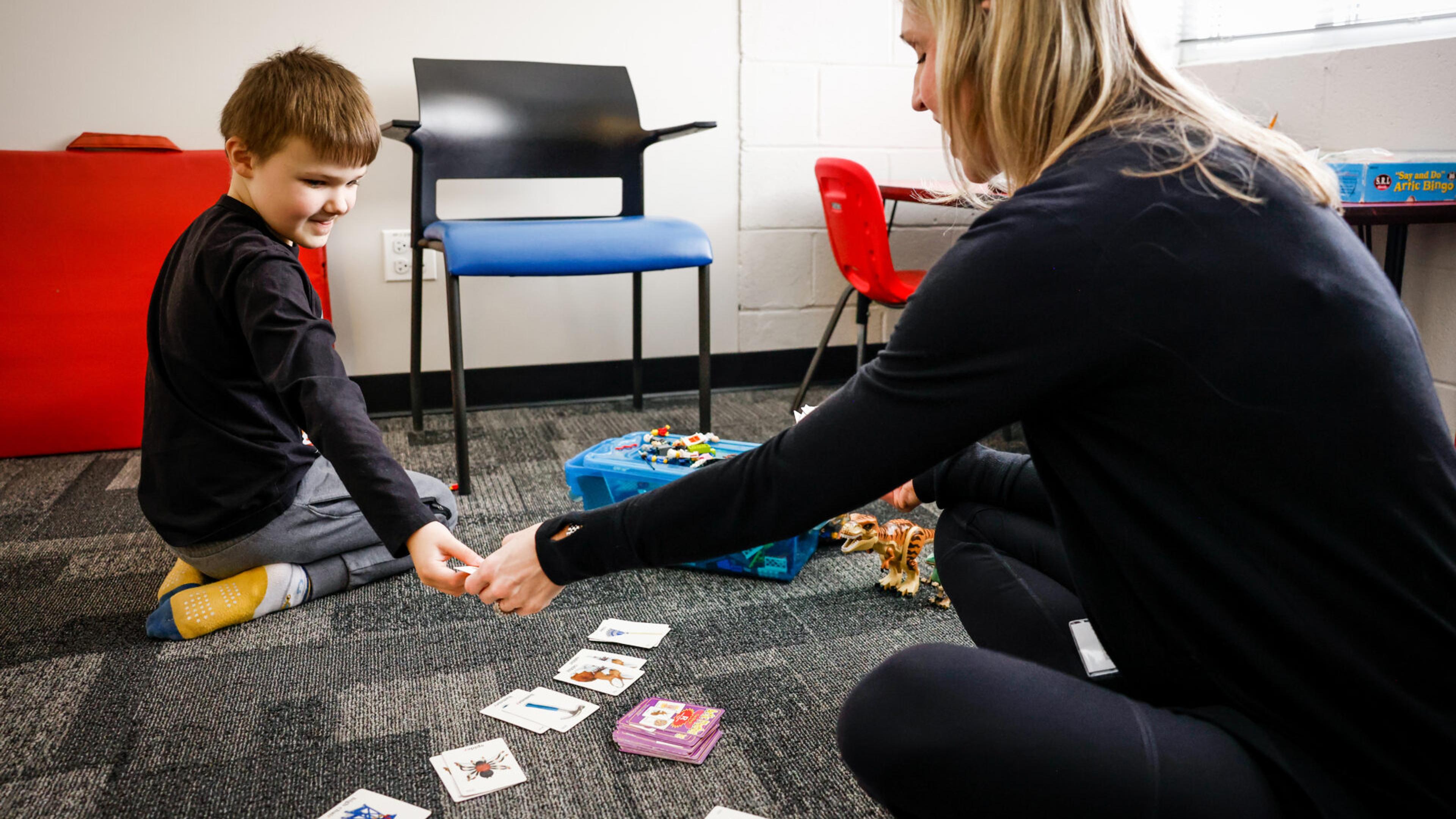
Back-to-School: Helping Children and Families Navigate the Challenges of a New School Year
Back-to-School: Helping Children and Families Navigate the Challenges of a New School Year As summer comes to an end, families begin preparing for another school year filled with new opportunities, routines, friendships, and experiences. While back-to-school season can be exciting, it can also bring feelings of stress, anxiety, uncertainty, and overwhelm for children, teens, and
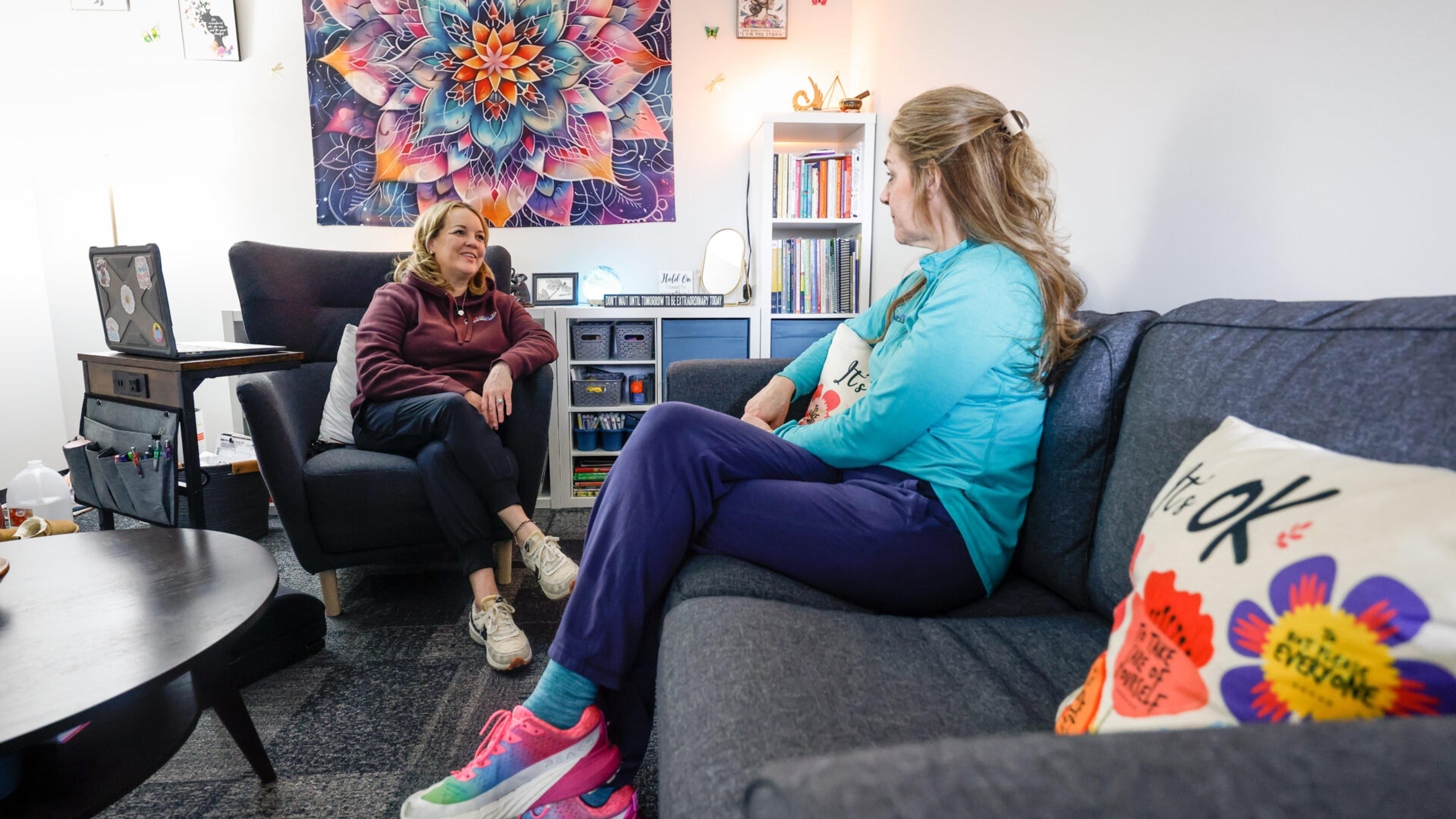
Therapy for Parents: When “Do It Again!” Comes 100 Times
If you’ve ever told your child to do something… and then told them again… and again… and again… you are definitely not alone. Sometimes parenting can feel like you’re stuck in a loop, like a video that won’t stop replaying: “Brush your teeth!” “Do it now!” “Okay, one more time…” “Wait, did you hear me?”