
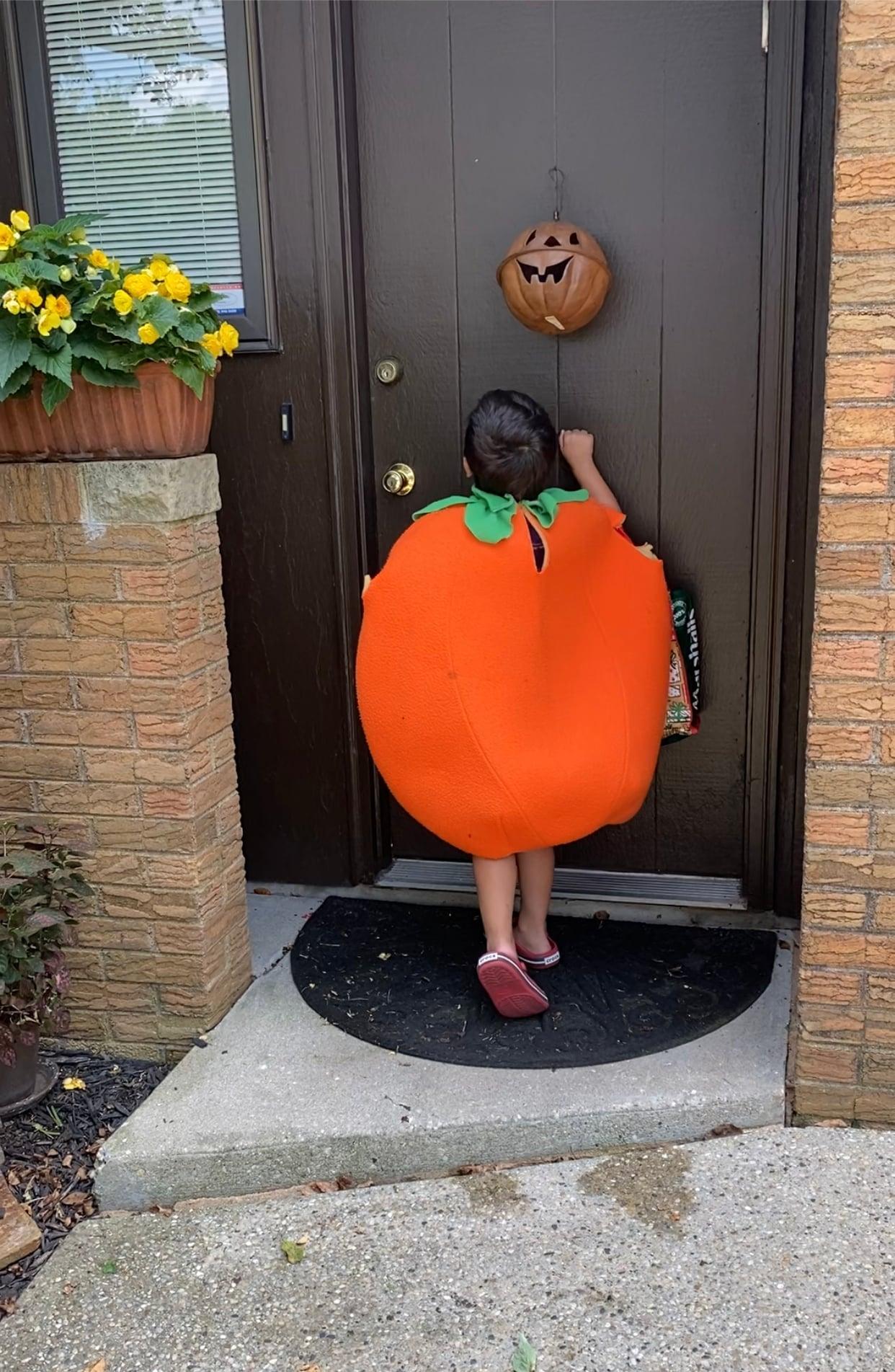
Happy Halloween month! At BDI, the therapists have been incorporating Halloween vocabulary throughout their sessions! This simple activity of stickers and real image vocabulary card can be used to target all different areas of communication, fine motor skills, and visual processing. Targeting holiday specific vocabulary can help your child communicate in their community. Why? Because our kiddos are seeing Halloween items everywhere (i.e pumpkins on walks in their neighborhood to spooky spider displays at the grocery store)! The following are examples of ways to achieve different developmental goals by using the same activity.

Matching
Starting out, simply matching the animated sticker to the real image is a perfect way to help teach reality vs. fantasy and to make sure the child isn’t just memorizing one specific image!
Imitation
The child imitates the vocabulary word and receives the sticker to mark as “complete”.
Independent labeling
The child labels the Halloween card or sticker independently
Receptive identification
If your child is a great talker but needs to work on his/her listening skills, you can ask your child questions! For example, you can ask your child “where is the cat?” or “which one is round and orange?”. Columns or rows can be covered to reduce the amount of items he or she is scanning.
Image description
After basic labeling is mastered, you can have your child be more descriptive with their request. The child can request the “black cat” sticker, “scary spider”, “two bats”, “silly pumpkin” etc.
Simple requesting
“I want + vocabulary word” or “Can I have + vocabulary word”
Complex requesting
“I want the purple hat”; “I want the scary ghost”
Articulation
Try finding all the final /t/ sounds in these fun Halloween words!
Are you looking for more ideas on how to make every day activities a little more festive? Join our Talk and Groove class to learn about more ways to help your child develop their language and fine motor skills at home!
Taggedhalloweenlanguagearticulationfine motorspeech therapyholiday
Related posts
When the Weather Changes, So Can Our Mood: Helping You and Your Child Brighten Up
When the Weather Changes, So Can Our Mood: Helping You and Your Child Brighten Up As the seasons change, so can our moods, energy levels, and daily routines. Shorter days, colder temperatures, rainy afternoons, or long stretches of gray skies can sometimes leave children and adults feeling less motivated, more tired, irritable, or simply “off.”
Back-to-School: Helping Children and Families Navigate the Challenges of a New School Year
Back-to-School: Helping Children and Families Navigate the Challenges of a New School Year As summer comes to an end, families begin preparing for another school year filled with new opportunities, routines, friendships, and experiences. While back-to-school season can be exciting, it can also bring feelings of stress, anxiety, uncertainty, and overwhelm for children, teens, and

Therapy for Parents: When “Do It Again!” Comes 100 Times
If you’ve ever told your child to do something… and then told them again… and again… and again… you are definitely not alone. Sometimes parenting can feel like you’re stuck in a loop, like a video that won’t stop replaying: “Brush your teeth!” “Do it now!” “Okay, one more time…” “Wait, did you hear me?”