Skip to content

Concerns we help with

Torticollis and Flat Head

Torticollis is tightness in a baby's neck that keeps the head tilted or turned to one side. It often comes with a flat spot on the head, called plagiocephaly. Both are common, and early help usually works best. If you notice either one, talk with your pediatrician or a pediatric physical therapist instead of waiting.

Reviewed by Ms. Janis · October 10, 2026

What are torticollis and flat head?

Torticollis (tor-tih-KOL-is) means a baby's head is consistently tilted or turned in one direction. The most common cause is tightness in the neck muscles. It is often present from birth, but most parents notice it at 1 to 2 months of age, as their baby's head control improves.

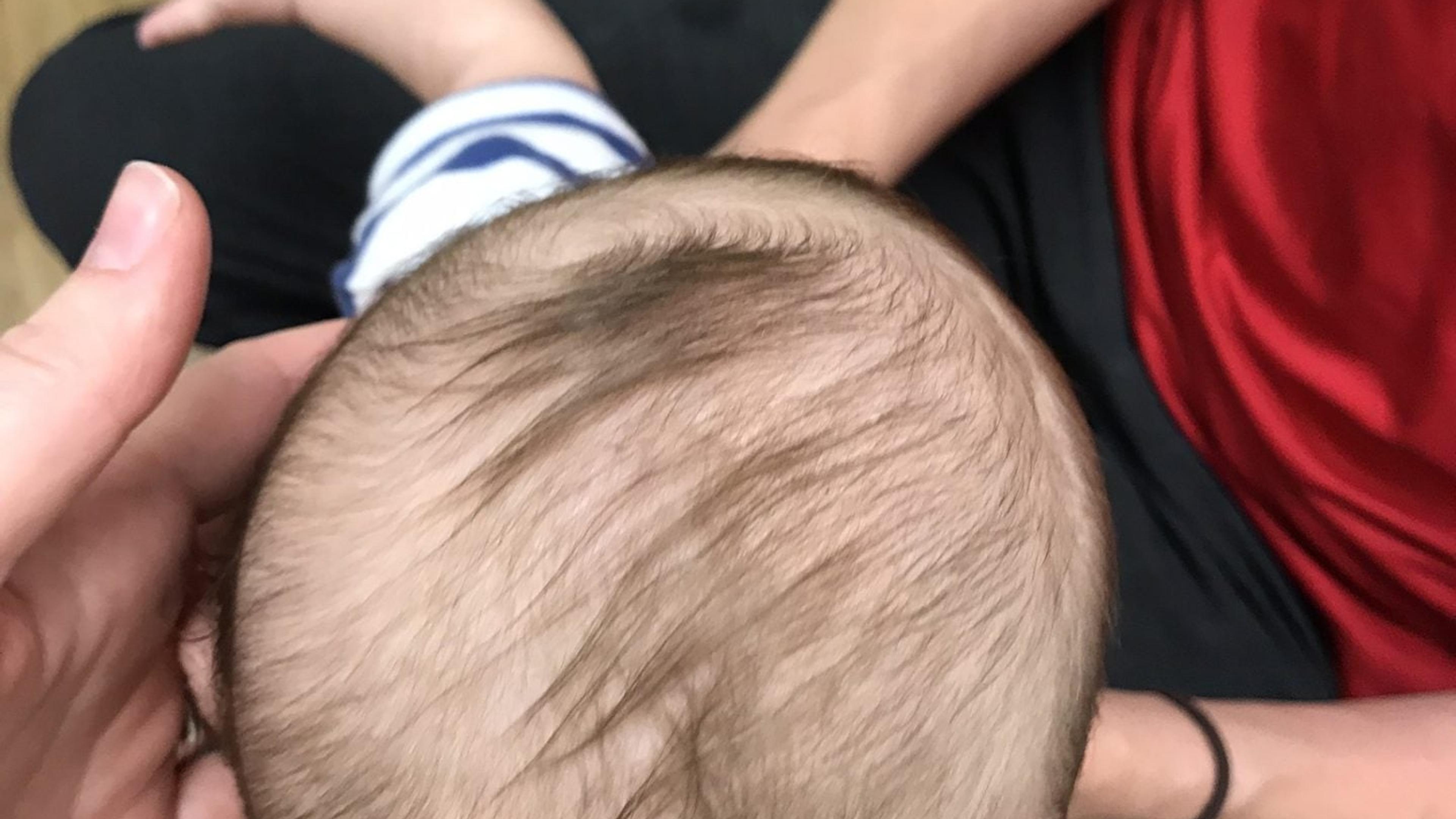
A flat spot on the back or side of the head is called plagiocephaly (play-jee-oh-SEF-uh-lee). The two often go together, because a baby who always looks one way rests on the same spot. A flat spot will not typically cause problems with brain development, but it can affect how a baby moves and feeds.

Torticollis is more likely with certain positions in the womb, a breech or forceps delivery, twins or triplets, and reflux. It is not caused by anything you did.

Signs to watch for

Signs often show up in the first few months:

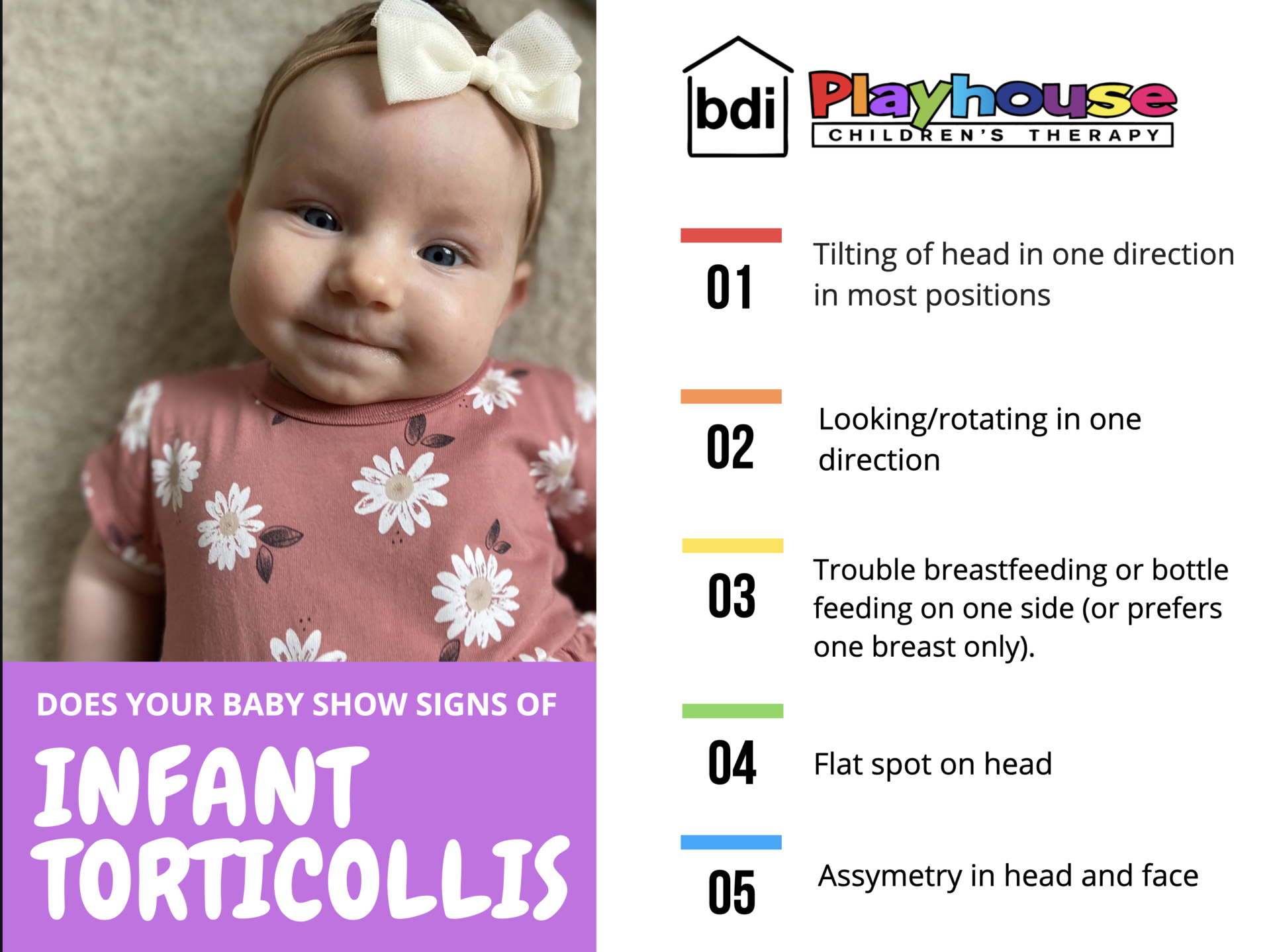
  • Head tilted toward one side in most positions
  • Always turning or looking in the same direction
  • Trouble breastfeeding or bottle feeding on one side
  • A flat spot on the back or side of the head
  • Uneven features, such as one ear further forward, one fuller cheek, or one eye that looks smaller
  • Fussing during tummy time, or always turning the head fully to one side to lift it

To check head shape, look at your baby from the front, from behind, from above and from the side. Our post on fixing a flat spot walks through each view.

When to reach out

Most of a baby's head growth happens between birth and 6 to 8 months, so our therapists advise against a "wait and see" approach. Talk with your pediatrician or a pediatric physical therapist if:

  • A flat spot lasts more than a few weeks
  • Your baby clearly prefers one side, or holds the head unusually still
  • Nursing is difficult or bottle feeding is stressful
  • Your baby keeps resisting tummy time
  • Your baby is not holding the head up and pushing up on the arms by the end of 3 months

A head tilt that appears suddenly in an older baby or child is different, and is a reason to call your pediatrician promptly.

How physical therapy helps at BDI

Torticollis can be treated by a pediatric physical therapist. At BDI Playhouse, physical therapy starts with an individualized plan of stretching and strengthening activities for your baby's neck and trunk. Your PT also shows you what to do at home. Our therapists write that improvements in strength and head position are often seen within the first few months, especially when therapy starts early. Every baby is different.

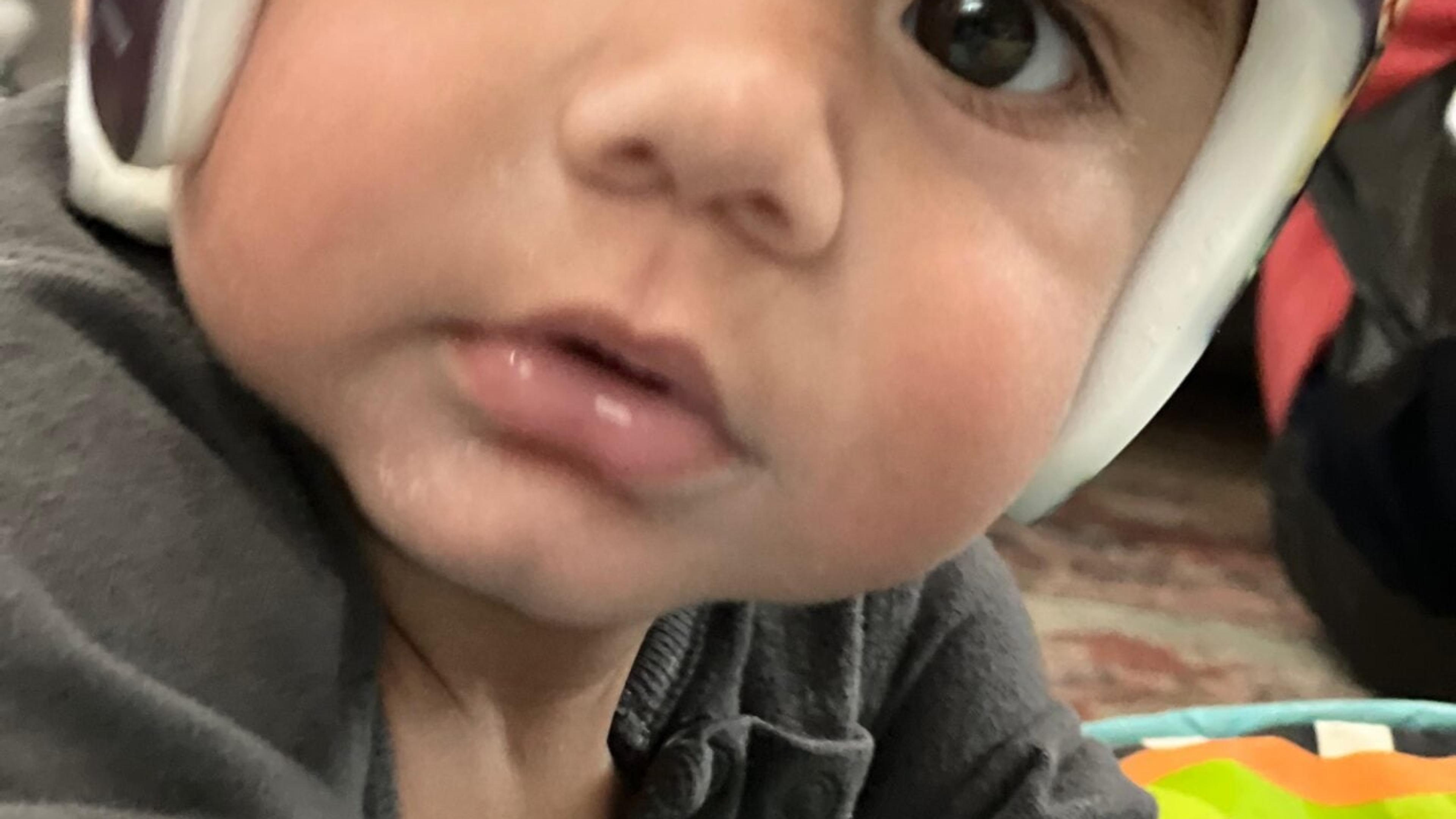
Our PTs also help with infant head shape, and a diagnosis is not required to start. If a helmet is being considered, ask your PT who they recommend for a fitting. Our therapists recommend physical therapy before, during and after helmet treatment, because exercises, stretches and position changes can improve asymmetries. Read more in Helmet Heads!.

Torticollis is sometimes associated with tongue-ties and feeding difficulty, so our team approach brings physical, occupational and speech therapy and lactation support together.

What you can do at home

Always place your baby on their back to sleep. Flat spots are worked on during awake time: back to sleep, tummy to play. See our safe sleep guide.

  • Offer lots of supervised tummy time while your baby is awake. Holding your baby on your chest while you lie flat counts.
  • Limit awake time in car seats, swings, bouncers and other "containers."
  • Carry your baby when you can, and change positions often.
  • Alternate which end of the crib your baby's head is at, so light and interesting sights are on a different side.
  • Hold a toy or your face in front of your baby and move slowly from side to side.

If tummy time is a struggle, tell your pediatrician or therapist. Reflux, a flat spot or a tight neck can all make it harder. See Why Tummy Time Is Important.

How we help

Frequently asked questions

Will my baby's flat spot go away on its own?

Many mild flat spots round out in the first few months as babies move their heads more, start to roll, and spend more time on their tummies. But most head growth happens between birth and 6 to 8 months, so that is the best time to make changes. If a flat spot lasts more than a few weeks, talk with your pediatrician or a pediatric physical therapist instead of waiting.

Does my baby need a helmet?

Not every baby with a flat spot does. Tummy time, position changes and physical therapy are the usual first steps. When a helmet is considered, timing matters, because a baby's head grows fastest in the first year. Our therapists write that helmets are most often recommended between 3 and 6 months of age and may not be recommended after 12 months. Your pediatrician and physical therapist can help you decide.

Can a flat spot affect my baby's brain?

A flat spot from positioning will not typically cause problems with brain development. What our therapists watch is movement. Babies with a flat spot may prefer one side, resist tummy time, or have more trouble latching. Those habits can slow skills like rolling and crawling, and they are what therapy works on. Your pediatrician can confirm that the head shape comes from positioning and not another cause.

Is my baby too young for physical therapy?

No. It is never too early to treat torticollis. It is often present from birth and usually noticed at 1 to 2 months of age. Our therapists find that the earlier we start, the quicker and easier the process tends to be, and conservative treatment is always the goal. Early therapy is gentle, and you will learn activities to do at home.

My baby hates tummy time. What can I do?

Start early and start small. Try it when your baby is calm and alert, not tired or hungry. Lie back with your baby on your chest, carry your baby tummy-down along your forearm, or place a rolled towel under the chest and armpits. Get down at eye level, talk and sing. Build up a little each day. If nothing seems to work, tell your pediatrician or physical therapist.

This guide is for education and is not a diagnosis or a substitute for care from your child’s doctor. If something about your child’s development worries you, talk with your pediatrician or call us and we’ll help you think it through.


· Infants, Physical Therapy & Motor Skills

Torticollis

Torticollis is a condition most commonly diagnosed in infancy in which the baby’s head is consistently tilted or turned to one direction. It is often present beginning at birth, but is typically noticed at 1-2 months of age as the baby’s head control improves. The most common cause is tightness in the neck muscles due

· Infants, Physical Therapy & Motor Skills

Fixing a Flat (baby head): What is Plagiocephaly and what can I do to correct it?

What is Plagiocephaly (pronounced play-jee-oh-sef-uh-lee)? Sometimes infants are born with or develop plagiocephaly or brachycephaly, a flat spot on the back or backside of their heads that is noticeable and may raise questions or be a cause of concern. Understandably, you may ask: Will my baby’s head shape stay like this? Is there anything I

· Infants, Physical Therapy & Motor Skills

Helmet Heads!

Helmet Heads! Shaping Baby Inside and Out Putting your baby in a helmet is a difficult decision for parents to make, but more often parents are choosing to put one on their baby. Are helmets necessary and why are so many babies wearing them? An explanation of why, when and how little melons are getting

· Infants, Physical Therapy & Motor Skills

Why Tummy Time is Important

Why Tummy Time is Important Tummy time is important for your baby’s development. Here are the top 7 reasons why you should be incorporating tummy time into your baby’s routine. 1. Strength Spending time on her belly is important because it strengthens the neck, back, shoulders, hips, arms, and hands. It will help to increase the