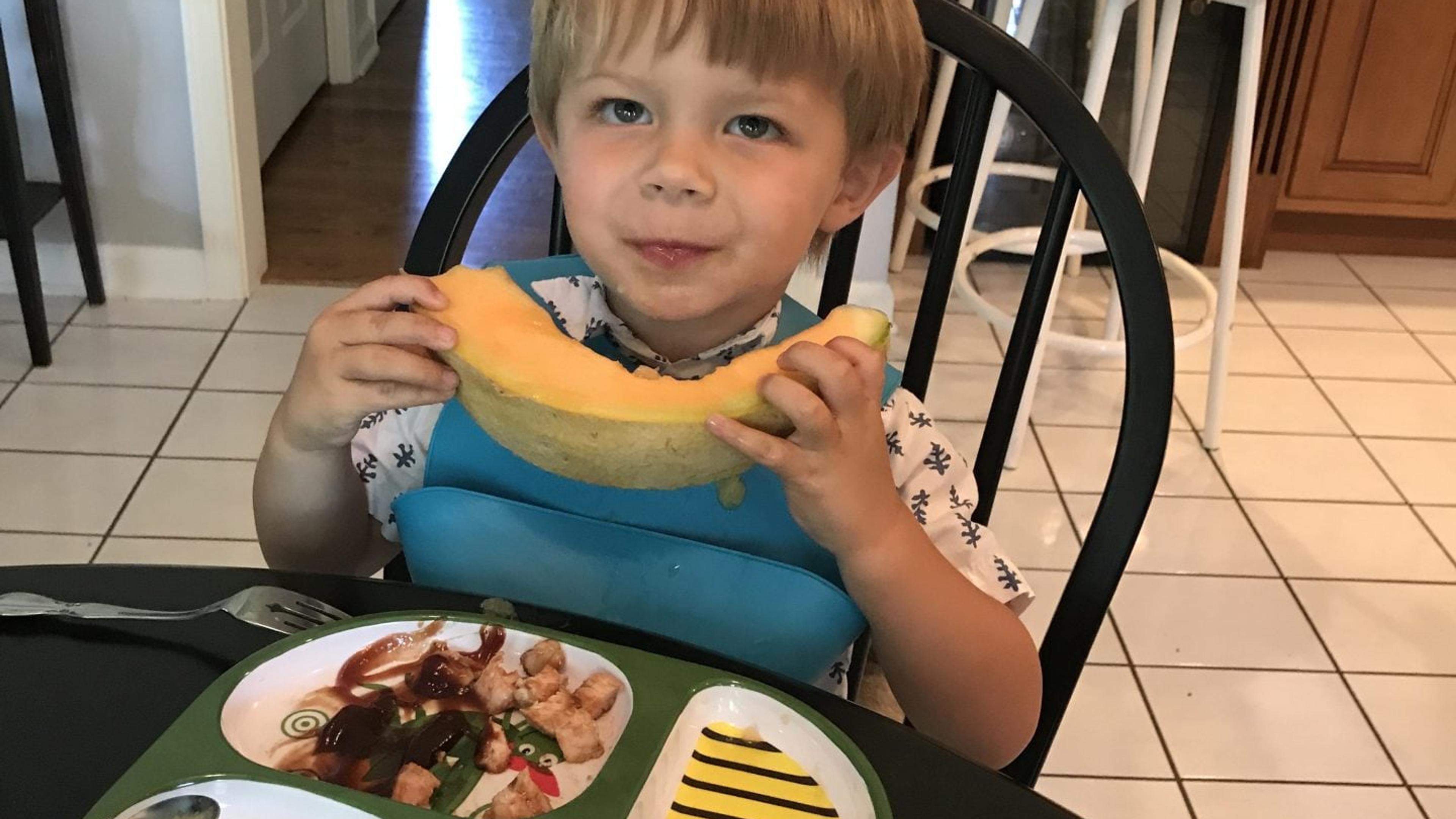
What is picky eating?
Some kids are picky for a short time, or avoid only a few foods, and may outgrow it. Other children have a hard relationship with food for a long time, seem to be losing foods they used to eat, or turn every meal into a battle.
BDI's feeding therapists use two terms. A "picky eater" has a limited diet but still eats 30 or more foods. A "problem feeder" eats about 20 foods or fewer, and may have dropped whole food groups, colors or textures. Problem feeders may have underlying difficulty with oral motor skills (how the lips, tongue and jaw move) or sensory processing (how the body handles taste, smell and texture).
So refusing food is often not stubbornness. A child may have trouble feeling food in the mouth or moving it around to chew, or may be overwhelmed by a smell or texture, as one of our occupational therapists describes in Why My Picky Eater Won't Eat Your Cranberry Sauce.
Signs it may be more than a phase
- Eats fewer than 30 foods, or the same foods over and over
- Refuses foods of certain textures, temperatures or colors
- Turns down a whole food group, such as vegetables
- Cries, has tantrums, or becomes very upset when a new food is on the plate
- Gags, coughs or vomits during meals
- Struggles to maintain a healthy weight
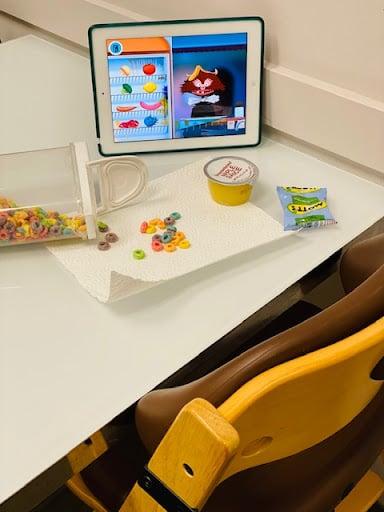
- Needs a tablet, bribes or chasing to come to the table or stay there
When to reach out
If you often brace for a mealtime battle, that is reason enough to ask for help. Our therapists also suggest reaching out if eating is affecting your child's growth, or if meals with family and friends are becoming hard.
Talk with your pediatrician if your child is losing weight, not growing as expected, or often coughs, gags or chokes when eating or drinking. Hives, swelling of the lips or face, or wheezing after a food can be signs of an allergic reaction and need medical care right away. See our food reactions page.
How feeding therapy helps at BDI
Feeding therapy at BDI is provided by speech-language pathologists and occupational therapists. They work to:
- Turn mealtimes into positive experiences
- Build oral motor strength and coordination for chewing and swallowing
- Help your child tolerate, interact with and eat foods of different textures
- Coach you, so you can help your child at home
Therapists use approaches such as Food Chaining, the Sequential Oral Sensory (SOS) approach, the Beckman Oral Motor approach and orofacial myofunctional therapy, which works on the muscles of the mouth and face. Goals are built around foods your family really eats, whether that means a restaurant meal, school lunch or pizza with friends.
Picky eating is not only a toddler concern. Our therapists have written about feeding therapy with middle schoolers, who can help set their own goals.
What you can do at home
- Keep pressure very low. Skip "just try one bite."
- Let your child help wash, mix and pour. The more a child can interact with a food without having to eat it, the less scary it becomes.
- Put a food your child already eats on the table, and let your child choose how much goes on the plate.
- Use neutral words like crunchy, sweet, salty or cold instead of yummy or yucky. If a food is not your favorite, take a small taste and say, "I am still learning about this food."
- Eat without screens when you can, so kids can notice hunger and fullness. If the tablet is already a habit, allow it for half the meal, then a little less each day. See Meals Without the iPad.
What to expect at a feeding evaluation
The evaluating clinician will talk with you about your concerns, your child's medical history and why you came in. The rest depends on your child's age and needs, and includes a look at current feeding skills. If feeding therapy is recommended, sessions may be consultative or weekly. You and your therapist decide together on goals. Feeding sessions take place in person at either of our clinics. Bring any feeding-related items you want to show the therapist or need help with; if something specific would help, we will tell you during intake.
This guide is for education and is not a diagnosis or a substitute for care from your child’s doctor. If something about your child’s development worries you, talk with your pediatrician or call us and we’ll help you think it through.